One of the biggest myths about weight loss is that eating for fat loss means eating less. What it actually means is eating smarter — choosing foods that deliver more satiety, more nutrition, and fewer calories relative to their volume. Get that right and the caloric deficit largely takes care of itself.
These 25 foods are not about restriction. They are about strategy. Each one earns its place on this list because it helps you feel full, supports muscle preservation, stabilises blood sugar, or delivers exceptional nutritional value — usually all of the above.
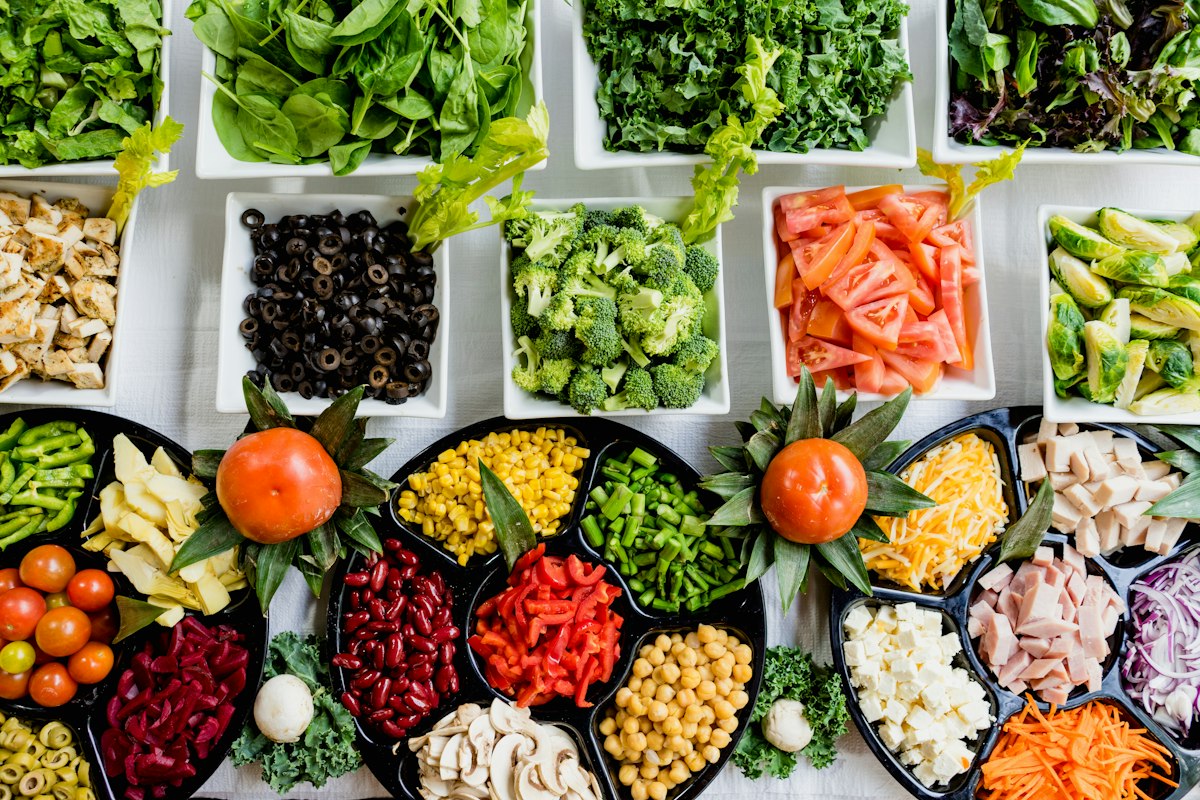
High-Protein Foods That Accelerate Fat Loss
Protein is the most important macronutrient for weight loss. It has the highest thermic effect (your body burns up to 30% of protein calories just digesting it), increases satiety more than fat or carbohydrates, and preserves the muscle mass you need to keep your metabolism running efficiently.
1. Eggs
Few foods punch above their weight the way eggs do. A single large egg contains six grams of protein, essential amino acids, and a remarkable range of vitamins — all for around 70 calories. Research shows that eating eggs at breakfast significantly increases satiety and reduces calorie intake at subsequent meals compared to carbohydrate-heavy breakfasts. Two eggs with vegetables makes an extraordinary weight-loss breakfast.
2. Chicken Breast
A 100-gram serving of cooked chicken breast provides roughly 31 grams of protein for about 165 calories with minimal fat. It is as close to a perfect lean protein as food gets. Its versatility — grilled, baked, poached, stir-fried — makes it sustainable long term. Meal prep a batch on Sunday and your lunches are sorted for the week.
3. Non-Fat Greek Yogurt
Greek yogurt has nearly double the protein of regular yogurt due to straining, which removes much of the whey and lactose. A 200-gram serving provides 17–20 grams of protein for around 120 calories. It also contains probiotics that support gut health — and emerging research links gut health to weight regulation. Choose plain versions and add your own fruit to control sugar.
4. Salmon
Salmon provides high-quality protein alongside omega-3 fatty acids, which reduce inflammation and may support fat metabolism. It is also one of the few food sources of vitamin D and provides iodine for thyroid function — both relevant for metabolic health. A 150-gram fillet contains around 30 grams of protein and is deeply satisfying in a way that lean proteins sometimes are not.
5. Cottage Cheese
Largely forgotten in the age of Greek yogurt, cottage cheese deserves a major revival. Low-fat cottage cheese contains about 11 grams of protein per 100 grams for only 85 calories. It is also rich in casein — a slow-digesting protein that keeps you full for hours and is particularly useful eaten before bed to support overnight muscle preservation.
6. Tuna
Canned tuna is one of the most affordable high-protein, low-calorie foods available. A 100-gram serving provides roughly 25 grams of protein for about 110 calories. Choose tuna in water rather than oil to keep calories lower. It mixes easily into salads, wraps, or rice bowls.
7. Lentils
Do not underestimate plant-based protein sources. Cooked lentils provide 9 grams of protein per 100 grams alongside a substantial amount of fibre, which extends satiety even further. They are also rich in folate, iron, and potassium. Lentil soup is one of the most filling, lowest-calorie lunches you can make.
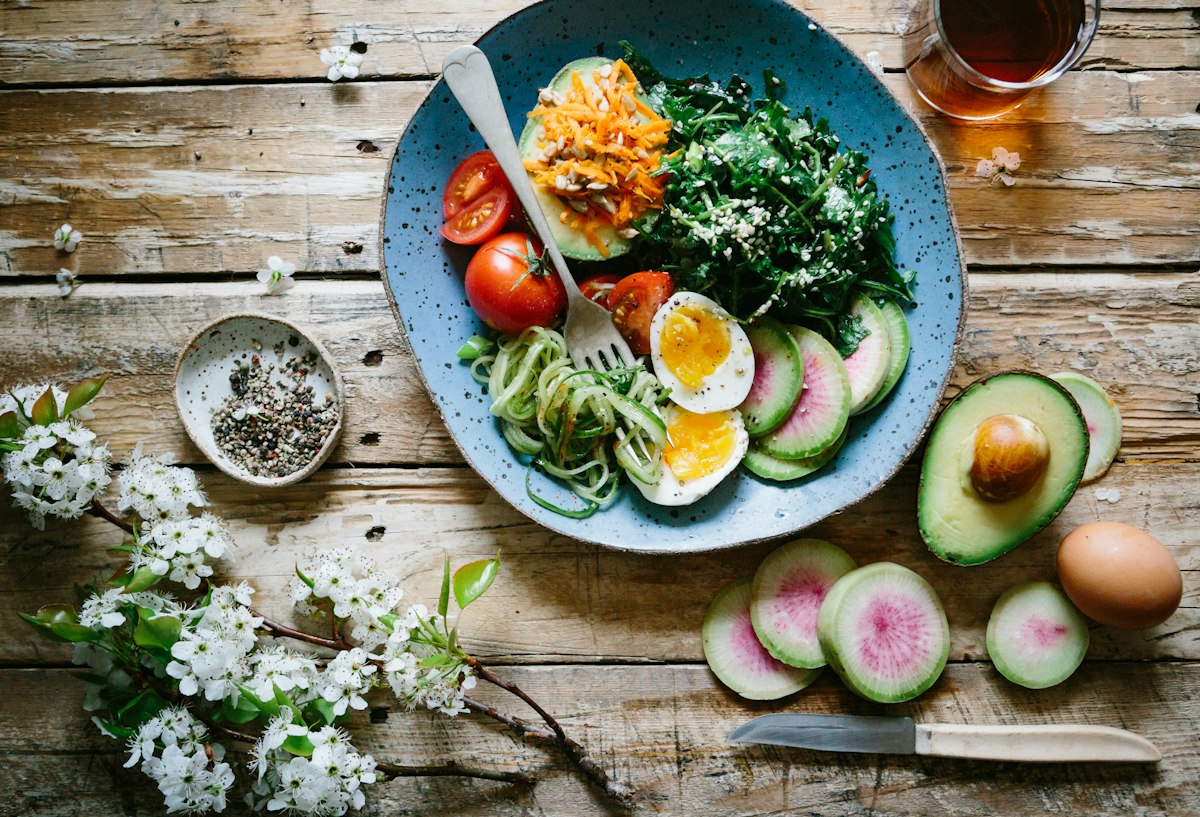
High-Volume, Low-Calorie Vegetables
These foods let you eat large amounts — genuinely filling portions — for minimal calories. They create volume in the stomach, triggering stretch receptors that signal fullness, and deliver fibre that slows digestion.
8. Leafy Greens (Spinach, Kale, Rocket, Swiss Chard)
Leafy greens are essentially calorie-free in practical terms — 100 grams of raw spinach contains around 23 calories. They are rich in fibre, folate, iron, and antioxidants. Adding two large handfuls of spinach to any meal increases volume and nutrition while adding almost nothing to your calorie count. Eat them freely.
9. Broccoli
Broccoli is one of the most nutrient-dense foods on the planet. A 200-gram serving contains just 68 calories, provides 5 grams of protein, 5 grams of fibre, and meaningful amounts of vitamins C and K. It is filling, versatile, and genuinely beneficial in ways that go beyond weight loss — including anti-inflammatory and cancer-protective compounds.
10. Cucumber
At around 16 calories per 100 grams, cucumber is mostly water — which makes it an excellent high-volume, low-calorie food. Sliced cucumbers with hummus make a deeply satisfying snack for well under 200 calories. Cucumbers also contribute to hydration, which supports metabolic function.
11. Zucchini (Courgette)
Zucchini can dramatically increase the volume of a meal for very few calories. Spiralised into "zoodles" as a pasta alternative, or roasted as a side, it contributes bulk, fibre, and vitamins for around 17 calories per 100 grams.
12. Bell Peppers
Red and yellow bell peppers are among the richest vitamin C sources in the food supply — one red pepper provides more than 150% of the daily requirement. At around 31 calories per 100 grams, they add colour, flavour, crunch, and nutrition to salads and stir-fries for almost no caloric cost.
Fibre-Rich Foods That Keep You Full for Hours
13. Oats
Rolled oats are one of the most satiating breakfast options available, largely because they contain beta-glucan — a soluble fibre that forms a thick gel in the digestive tract, slowing stomach emptying and prolonging fullness. Studies show that oat-based breakfasts reduce hunger and calorie intake at subsequent meals compared to other cereals. Choose plain oats over instant varieties, which often contain added sugars.
14. Chickpeas
Chickpeas (garbanzo beans) provide a remarkable combination of protein (9 grams per 100 grams cooked) and fibre (8 grams per 100 grams) for around 164 calories. Research has found that regular legume consumption is associated with lower body weight and improved blood sugar regulation. Roasted chickpeas make an exceptional, filling snack.
15. Avocado
Avocado is calorie-dense, yes — but the research on avocado consumption and weight management is more nuanced than the calorie count suggests. Avocados are rich in monounsaturated fats and fibre, both of which extend satiety significantly. Studies show that people who eat half an avocado at lunch consume significantly fewer calories in the hours following compared to those who eat a calorie-equivalent lunch without avocado.
16. Berries (Blueberries, Raspberries, Strawberries)
Berries are among the lowest-sugar fruits and among the highest in fibre and antioxidants. Raspberries, for example, contain 8 grams of fibre per cup for only 64 calories — an exceptional fibre-to-calorie ratio. Their natural sweetness satisfies sugar cravings at a fraction of the caloric cost of processed sweets.
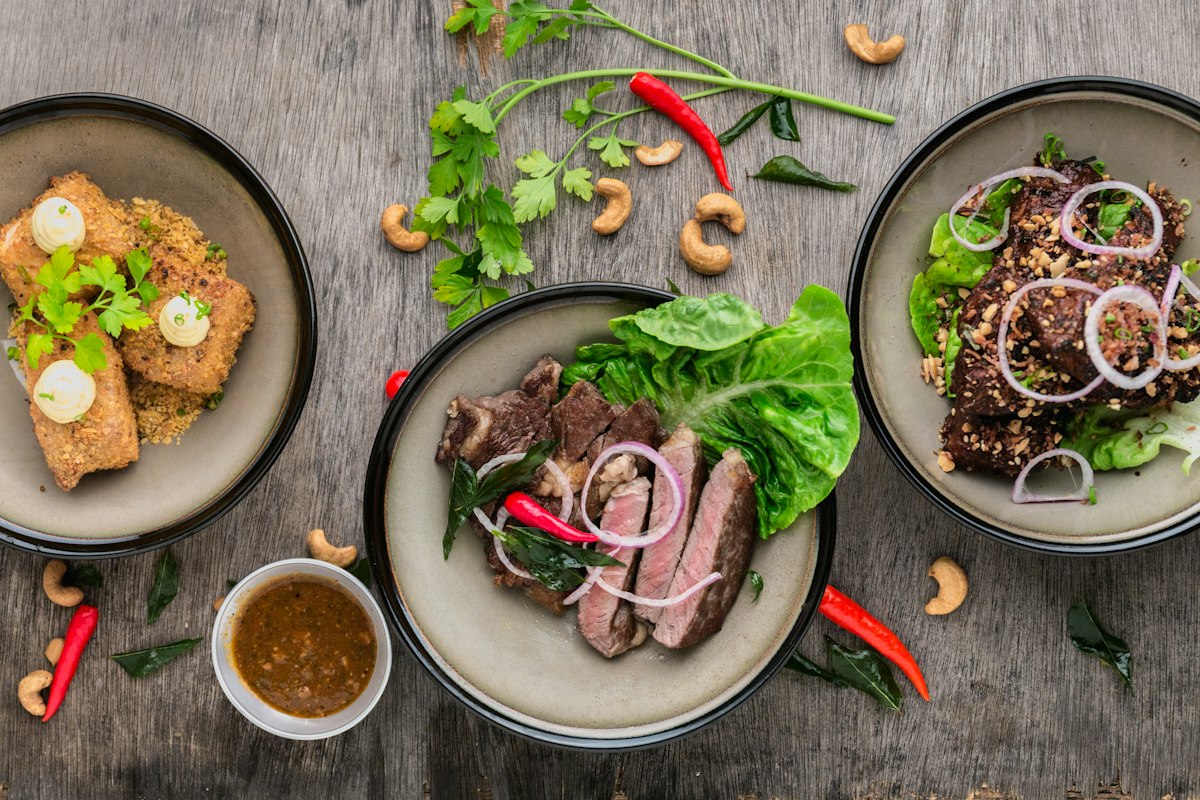
Smart Carbohydrates and Healthy Fats
17. Sweet Potato
Sweet potatoes have a lower glycaemic index than regular potatoes, meaning they raise blood sugar more slowly and produce a more sustained energy release. They are rich in fibre, potassium, vitamin A, and antioxidants. A medium sweet potato provides around 130 calories and is genuinely filling — make it a staple.
18. Quinoa
Quinoa is one of the few plant foods that provides a complete protein — containing all essential amino acids. It is also a good source of fibre and has a lower glycaemic index than most grains. As a rice replacement, it keeps you fuller longer and provides more nutritional value per calorie.
19. Nuts (Almonds, Walnuts, Pistachios)
Nuts are calorie-dense, so portion control matters — but research consistently shows that nut consumers do not gain more weight than non-consumers, and often weigh less. This is partly because nuts are uniquely satisfying, and partly because a significant proportion of their fat is not fully absorbed by the body. A small handful (30 grams) as a snack between meals prevents the dangerous hunger that leads to poor food choices.
20. Olive Oil
While all oils are calorie-dense, olive oil is associated with better weight outcomes than many other fats. The monounsaturated fat content and polyphenols in extra virgin olive oil reduce inflammation and improve satiety hormones. Using olive oil as your primary cooking fat — in moderation — supports rather than undermines weight loss.
Functional Foods with Specific Benefits
21. Apple Cider Vinegar
The evidence here is modest but real: small amounts of apple cider vinegar (1–2 tablespoons) taken before or with meals appear to slow gastric emptying, reduce post-meal blood sugar spikes, and modestly increase satiety. It is not a magic potion, but as a condiment or salad dressing, it offers some genuine benefit.
22. Chilli Peppers
Capsaicin — the compound that makes chillies hot — has a measurable thermogenic effect, temporarily increasing calorie burning and reducing appetite. Studies show that adding capsaicin to meals reduces calorie intake at subsequent meals. Beyond weight management, chilli peppers are rich in vitamin C and antioxidants.
23. Green Tea
Green tea contains catechins — antioxidants that work synergistically with caffeine to temporarily boost metabolism and fat oxidation. The effect is modest, but consistently demonstrated in research. Two to three cups of unsweetened green tea daily is a worthwhile addition to a weight loss plan.
24. Water
Technically not a food, but water is one of the most evidence-backed weight loss tools available. Drinking 500 ml of water before meals has been shown in research to reduce calorie intake at those meals by approximately 13%. Water also supports metabolic function, aids in digestion, and eliminates the caloric beverages that many people consume without accounting for them.
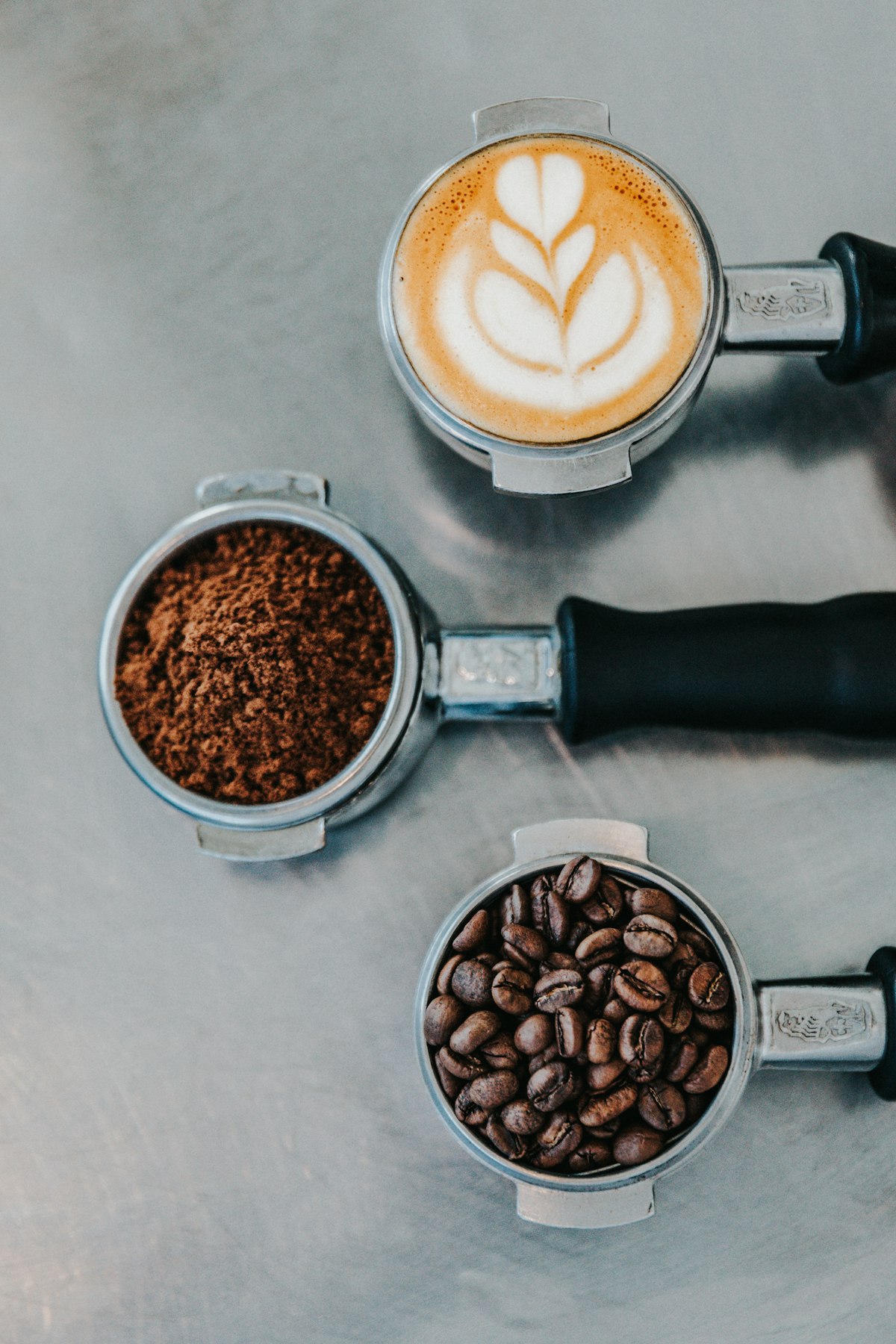
25. Black Coffee
Unsweetened black coffee is one of the few foods with a well-documented direct effect on metabolism. Caffeine stimulates the nervous system and increases the release of adrenaline, signalling fat cells to release fatty acids into the bloodstream. It also slightly suppresses appetite in the short term. A cup before exercise meaningfully increases fat oxidation during the workout.
How to Put This Into Practice
You do not need to eat all 25 of these foods every day. The goal is to build your diet around a rotating selection of high-protein, high-fibre, nutrient-dense whole foods — and let the caloric deficit naturally follow from eating in a way that keeps you genuinely satisfied.
A practical starting point: build your plate around a protein source (eggs, chicken, fish, lentils), fill half the plate with vegetables, add a fibre-rich carbohydrate (oats, sweet potato, quinoa), and include a small amount of healthy fat (avocado, nuts, olive oil). This template, repeated across different food combinations, covers most of what you need without counting every calorie.
The Bottom Line
The best diet for weight loss is the one that keeps you full on fewer calories, protects your muscle mass, provides complete nutrition, and is sustainable enough to maintain beyond the initial motivation spike. The foods on this list make all of that easier — not by being magic, but by working with your biology rather than against it.
Start with a few you enjoy, build habits around them, and let the results follow the consistency. That is the whole system.