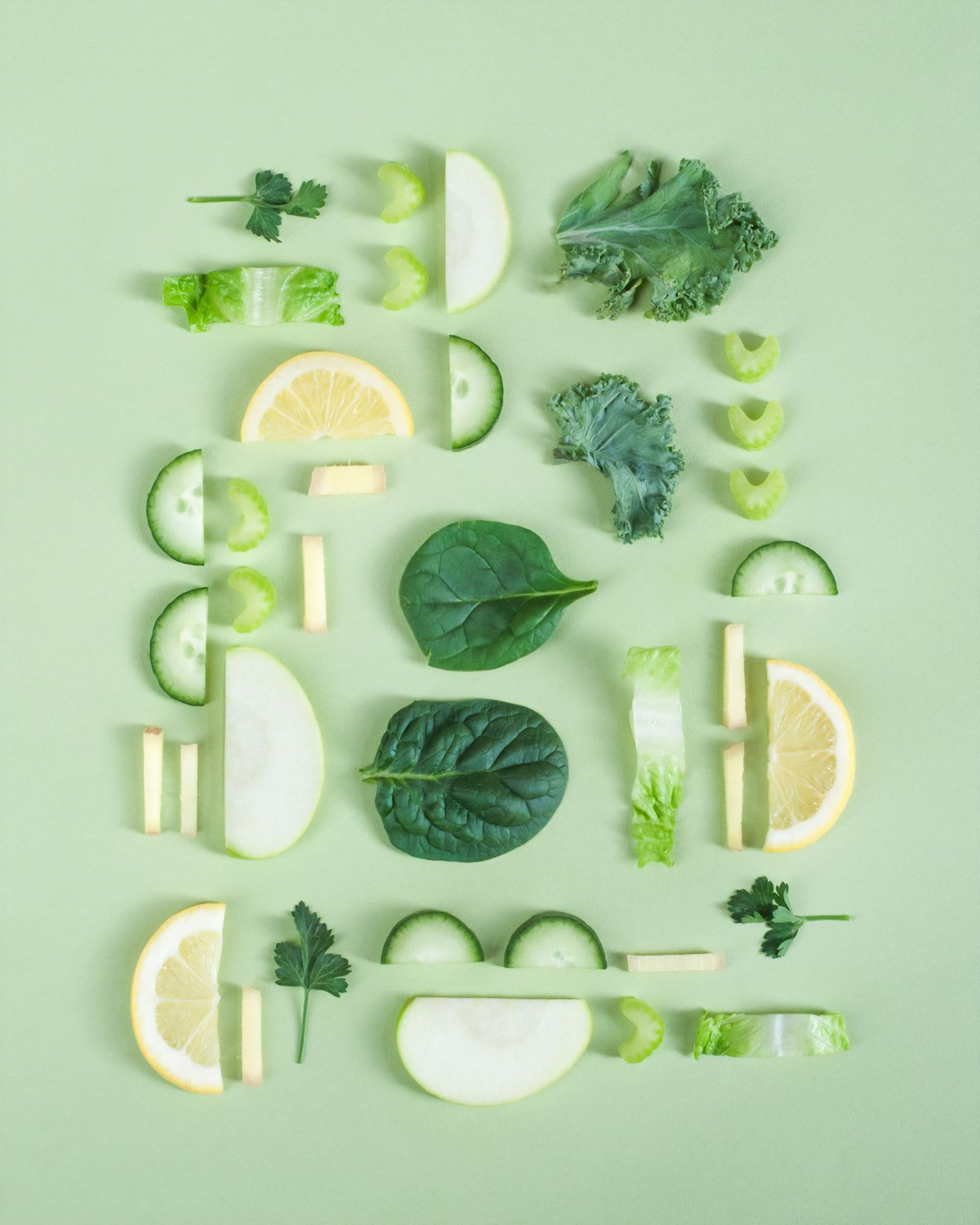
You probably first heard the word "inflammation" when you stubbed your toe or twisted your ankle and watched it puff up. That's acute inflammation — a short, helpful response from your body. The problem is the other kind: chronic inflammation. The kind you can't see, that simmers quietly in the background for years, and that doctors now link to heart disease, type 2 diabetes, depression, certain cancers, and stubborn weight gain.
Here's the part most people miss: a lot of this background inflammation comes straight from what's on your plate. Sodas, ultra-processed snacks, deep-fried takeout, too much sugar — these don't just affect your waistline. They quietly fan the flames every single day.
The flip side is encouraging though. Certain foods do the exact opposite. They calm inflammation down, sometimes within days. And these aren't exotic, expensive ingredients. Most of them are sitting in your local grocery store right now.
Let's get into the 10 best anti-inflammatory foods you can actually start eating this week, plus how much to have, and a few things worth avoiding.
Quick note: This article shares general nutrition information and isn't a substitute for medical advice. If you have a chronic condition like rheumatoid arthritis, IBD, or autoimmune disease, talk to your doctor before making big dietary changes.
What Is Chronic Inflammation, Really?
Think of inflammation like your body's emergency response team. When you get a paper cut, immune cells rush to the site, clean things up, and patch you back together. That's good inflammation doing its job.
Chronic inflammation is different. Instead of resolving, that response stays "on" for months or years at low levels. Over time, this can damage tissues, throw off your hormones, mess with your gut, and contribute to disease.
Common drivers of chronic inflammation include:
- Diets high in sugar, refined carbs, and processed foods
- Excess alcohol
- Smoking
- Chronic stress and poor sleep
- Sedentary lifestyle
- Environmental toxins
The fix isn't one magic food. It's a pattern — eating mostly real, minimally processed foods loaded with antioxidants, fiber, and healthy fats. Anti-inflammatory foods don't "cure" anything, but eaten consistently, they shift your body from a state of chronic stress to one of repair.
Quick Reference: The Top 10 Anti-Inflammatory Foods
| Food | Active Compound | Recommended Amount |
|---|---|---|
| Fatty Fish | Omega-3 (EPA, DHA) | 2 servings/week |
| Berries | Anthocyanins | 1 cup daily |
| Leafy Greens | Polyphenols, vitamin K | 2 cups daily |
| Extra Virgin Olive Oil | Oleocanthal | 2 tbsp daily |
| Turmeric | Curcumin | ½ tsp daily |
| Nuts | Healthy fats, vitamin E | 1 oz (handful) daily |
| Green Tea | EGCG | 2–3 cups daily |
| Tomatoes | Lycopene | 1 cup, cooked preferred |
| Avocados | Monounsaturated fats | ½ avocado daily |
| Ginger | Gingerol | 1–2 g daily |
The 10 Best Anti-Inflammatory Foods to Eat
1. Fatty Fish (Salmon, Sardines, Mackerel)
If there's a single food that nutrition researchers keep coming back to for fighting inflammation, it's fatty fish. The omega-3 fatty acids in salmon, sardines, mackerel, and anchovies — specifically EPA and DHA — actively lower inflammatory markers like C-reactive protein (CRP) and interleukin-6 in your blood.
One study from the Journal of the American College of Cardiology found that people eating fatty fish twice a week had significantly lower CRP levels than those who didn't. That's measurable, not theoretical.
How much: Two servings (about 3–4 oz each) per week.
Easy ideas: Pan-seared salmon takes 10 minutes. Canned sardines on whole grain crackers make a quick lunch. Smoked mackerel works in salads.
Heads up: Wild-caught is usually higher in omega-3s than farmed, but farmed salmon still offers real benefits if that's what's available.
2. Berries (Blueberries, Strawberries, Raspberries)
Berries are tiny but powerful. They're packed with compounds called anthocyanins — the same pigments that give them their deep red, blue, and purple colors. Anthocyanins have been linked to lower inflammation and reduced risk of heart disease in dozens of studies.
Blueberries in particular have been studied for their effect on inflammatory markers. Even half a cup a day shows up in research as enough to make a real difference over a few months.
How much: One cup of mixed berries daily.
Frozen is fine: Frozen berries are picked at peak ripeness and flash-frozen, so they often have just as many antioxidants as fresh — at half the price.
3. Dark Leafy Greens (Spinach, Kale, Swiss Chard)
If you ignored most of the advice on this list and just added two cups of dark leafy greens to your daily diet, you'd still see real benefits. They're loaded with vitamins A, C, E, K, plus folate and antioxidant polyphenols.
Kale, spinach, collard greens, and Swiss chard all qualify. The deeper the color, the better. Even regular romaine lettuce is good, but it's a bit lower in nutrient density than the dark greens.
How much: Two cups raw or one cup cooked daily.
Quick trick: Throw a handful of spinach into smoothies, omelets, or pasta sauce. You won't taste it, but you'll get the benefits.
4. Extra Virgin Olive Oil
There's a reason researchers keep pointing at the Mediterranean diet whenever inflammation comes up. A huge piece of it is extra virgin olive oil, which contains a compound called oleocanthal. Oleocanthal has been compared in studies to ibuprofen for its anti-inflammatory effect, gram for gram.
The key word is extra virgin. Refined olive oil has been processed enough that it loses most of these benefits.
How much: One to two tablespoons daily, used cold or in low-to-medium heat cooking.
Quality tip: Look for olive oil in dark glass bottles with a harvest date on the label. Cheaper brands often blend in lower-quality oils, even when labeled "extra virgin."
5. Turmeric
Turmeric has become one of the most-studied spices in nutrition over the past decade, and for good reason. Its active compound, curcumin, has powerful anti-inflammatory and antioxidant effects. People with arthritis often report less joint pain after adding it to their diet consistently.
Here's the catch: curcumin is notoriously hard for the body to absorb on its own. The trick is to pair it with black pepper, which contains piperine. Piperine boosts curcumin absorption by up to 2000%.
How much: About ½ teaspoon daily — in food or a "golden milk" drink.
Smart move: Always add a pinch of black pepper and a little healthy fat (olive oil, coconut oil) to your turmeric, or you're mostly wasting it.
6. Nuts (Walnuts, Almonds, Pistachios)
Nuts get a strange reputation as "fattening," but the research keeps showing the opposite. People who eat a handful of nuts daily tend to have lower inflammatory markers, better heart health, and — perhaps surprisingly — often weigh less than those who avoid them.
Walnuts deserve special mention because they're one of the only plant sources of omega-3 fatty acids. Almonds bring vitamin E. Pistachios are loaded with antioxidants.
How much: About 1 oz (a small handful) daily.
Buy raw, unsalted: Roasted, salted varieties lose some nutrients and pack in unnecessary sodium.
7. Green Tea
Green tea contains a polyphenol called epigallocatechin-3-gallate (EGCG, if you want to impress your friends), which is one of the most well-researched anti-inflammatory compounds in nature. Regular green tea drinkers tend to have lower rates of heart disease, certain cancers, and chronic inflammation.
Plus, it's an easy swap. Replace one or two cups of coffee or soda with green tea daily and you'll feel the difference in energy stability alone.
How much: 2–3 cups daily, ideally between meals.
Don't ruin it: Adding milk binds the polyphenols and reduces their effects. A squeeze of lemon, on the other hand, increases absorption.
8. Tomatoes
Tomatoes are loaded with lycopene, an antioxidant that's been studied for its role in reducing inflammation and lowering the risk of heart disease and certain cancers. What's interesting is that cooking tomatoes actually increases lycopene availability — one of the rare cases where cooking boosts a nutrient.
Pasta sauce, salsa, tomato soup, and roasted tomatoes are some of the best ways to get lycopene into your meals.
How much: About one cup cooked tomatoes a few times per week.
Pro tip: Eat tomatoes with a bit of olive oil. Lycopene is fat-soluble, so the oil helps your body absorb it.
9. Avocados
Avocados aren't just trendy — they're rich in monounsaturated fats, fiber, vitamin E, and potassium. The fats specifically have been linked to lower inflammation markers in studies. They also help your body absorb other fat-soluble nutrients from vegetables you eat alongside them.
How much: About half an avocado daily.
Watch the portions: A whole avocado has around 240 calories. They're nutrient-dense and filling, but they aren't a "free" food.
10. Ginger
Ginger has been used for thousands of years in traditional medicine for inflammation and digestive issues. Modern research has caught up: its active compounds, especially gingerol, work similarly to common anti-inflammatory drugs in lab settings (though not as strongly).
It pairs especially well with turmeric. Many people find that adding fresh ginger and turmeric to their morning routine — in tea, a smoothie, or "shots" — makes a noticeable difference in how they feel within a few weeks.
How much: 1–2 grams of fresh ginger daily, or a few cups of ginger tea.
Easy way to use it: Grate fresh ginger into stir-fries, salad dressings, or hot water with lemon and honey.
Foods That Fuel Inflammation (Eat Less of These)
Adding good foods is only half the equation. The other half is reducing the foods that drive inflammation in the first place. Here are the biggest culprits:
Refined Sugar and Sugary Drinks
Sodas, fruit-flavored drinks, candy, and pastries spike blood sugar and trigger inflammatory responses. The American Heart Association recommends limiting added sugar to under 25 grams a day for women and 36 grams for men — most Americans eat triple that.
Refined Carbohydrates
White bread, white rice, sugary cereals, and most baked goods strip out the fiber that slows sugar absorption. Result: blood sugar spikes that look a lot like the ones sugar itself causes.
Processed Meats
Hot dogs, deli meats, bacon, and sausages are linked to higher inflammation and increased risk of heart disease and certain cancers. The processing methods and additives matter more than the meat itself.
Trans Fats
Mostly banned in many countries now, but still found in some commercial baked goods, fried foods, and margarines. Look for "partially hydrogenated oils" on the ingredient list — that's the red flag.
Excess Alcohol
Occasional moderate drinking may not move the needle, but heavy or daily drinking raises inflammatory markers significantly and stresses the liver.
A Simple 1-Day Anti-Inflammatory Meal Plan
If you're not sure where to start, here's what a typical day looks like:
- Breakfast: Greek yogurt with mixed berries, walnuts, and a sprinkle of cinnamon. Green tea on the side.
- Lunch: Big salad with kale, spinach, grilled salmon, cherry tomatoes, avocado, and olive oil-lemon dressing.
- Snack: Handful of almonds and an apple, or carrot sticks with hummus.
- Dinner: Roasted vegetables (broccoli, bell peppers, sweet potato), with turmeric-ginger lentil curry over brown rice.
- Drink: Water throughout the day, ginger tea after dinner.
Notice there's no "diet food" here. Just whole, real food. That's the whole point.
Frequently Asked Questions
How long until I notice a difference?
Most people start feeling some improvement — less bloating, better energy, fewer headaches — within 2 to 3 weeks of consistent changes. Bigger inflammatory shifts measured by blood tests tend to take 8 to 12 weeks.
Do I need to go gluten-free or dairy-free?
Only if you have a sensitivity or autoimmune issue. For most people, whole grains and quality dairy (like Greek yogurt or cheese in moderation) aren't problematic. The bigger issues are usually refined sugars and ultra-processed foods.
Are anti-inflammatory supplements worth it?
Whole foods first, supplements second. Fish oil, curcumin, and vitamin D supplements have some research backing for specific situations, but they're not substitutes for actually eating better. Always check with your doctor before adding supplements, especially if you take medications.
Is the Mediterranean diet the same as an anti-inflammatory diet?
Pretty close. The Mediterranean diet is one of the most-studied anti-inflammatory eating patterns. It emphasizes fish, vegetables, olive oil, nuts, beans, and whole grains, while limiting red meat, sugar, and processed foods. If you adopt that pattern, you're already winning.
Can I drink coffee on an anti-inflammatory diet?
Yes — moderate coffee consumption (2–3 cups a day) actually has anti-inflammatory benefits thanks to its polyphenols. Just go easy on the sugar and flavored syrups, which cancel out the benefits.
Will an anti-inflammatory diet help with weight loss?
Often, yes — not because it's a "diet" in the calorie-counting sense, but because it naturally pushes you toward whole foods that are more filling and less calorically dense. Most people who switch lose 5–15 pounds over a few months without trying.
What about red meat — is it really that bad?
Lean, unprocessed red meat in moderation (1–2 times a week) isn't a major inflammation driver for most people. It's the processed forms — sausages, deli meats, hot dogs — that show the strongest links to inflammation and disease.
The Bottom Line
You don't need to overhaul your entire diet overnight, and you definitely don't need to buy $40 jars of "anti-inflammatory powders" at health food stores. The real anti-inflammatory diet is just colorful, mostly plant-heavy, real food with fish, healthy fats, and the occasional cup of green tea.
Pick two or three foods from this list and add them in this week. Maybe that's swapping out soda for green tea, putting berries on your morning oatmeal, or cooking your veggies in olive oil instead of butter. Small consistent changes beat big short-term overhauls every time.
Give it a month. Pay attention to how you feel — your energy, your joints, your digestion, even your mood. Most people notice changes they didn't expect. That's your body saying thank you.