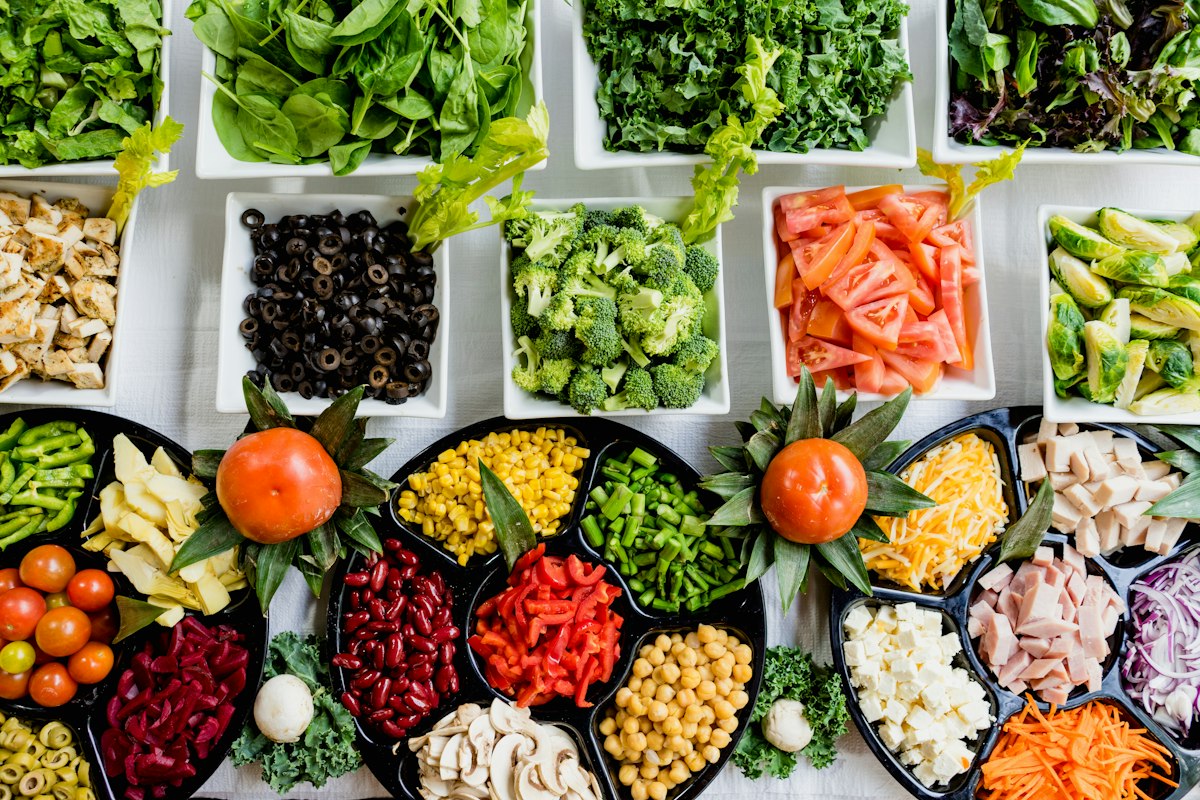
The Mediterranean diet has been ranked the #1 best overall diet by U.S. News & World Report for eight years running. That's not nothing — most "trendy" diets don't last eight months, let alone eight years. The reason it keeps winning is simple: it's not really a diet. It's a way of eating that people in places like Greece, southern Italy, and coastal Spain have been doing for centuries, without ever calling it a "diet."
And the results speak for themselves. Studies link it to lower rates of heart disease, type 2 diabetes, certain cancers, Alzheimer's, and even depression. People who follow it tend to live longer — and enjoy their food a lot more along the way.
If you've been curious but didn't know where to start, this guide walks you through everything. We'll cover what it actually is (and isn't), the foods you'll eat more of, what to cut back on, and a complete 7-day meal plan you can follow this week. No fancy ingredients. No calorie counting. No giving up bread.
Quick note: This is general nutrition information, not personalized medical advice. If you have a health condition, take medications, or are pregnant, check with your doctor before making big dietary changes.
What Is the Mediterranean Diet, Really?
The Mediterranean diet isn't a rulebook. It's a pattern of eating based on the traditional foods of countries bordering the Mediterranean Sea — Greece, Italy, Spain, southern France, and parts of the Middle East and North Africa.
The basics:
- Plants take center stage. Vegetables, fruits, beans, lentils, nuts, and whole grains make up most meals.
- Olive oil is the main fat. Specifically extra virgin olive oil — used for cooking, dressings, drizzling, almost everything.
- Fish a few times a week. Salmon, sardines, tuna, mackerel, anchovies — fatty fish for omega-3s.
- Poultry, eggs, and dairy in moderation. Mostly Greek yogurt and cheeses like feta or parmesan.
- Red meat rarely. A few times a month, not a few times a week.
- Sweets are special. Fresh fruit is the everyday dessert. Pastries and sweets are for celebrations.
- Wine in moderation (optional). Usually a small glass with dinner, with food. If you don't drink, don't start.
- Herbs and lemon over salt. Flavor comes from garlic, basil, oregano, rosemary, lemon — not heavy sauces.
Why It Works (The Science)
This isn't just folklore. Decades of research back it up.
The famous PREDIMED study, published in The New England Journal of Medicine, followed over 7,000 people for nearly five years. Those eating a Mediterranean diet with extra olive oil or nuts had about a 30% lower risk of major cardiovascular events compared to a standard low-fat diet.
Other research links the pattern to:
- Better brain health and lower dementia risk
- Lower rates of type 2 diabetes
- Reduced markers of inflammation
- Improved gut microbiome diversity
- Healthier weight maintenance long-term
- Lower risk of certain cancers, especially colorectal and breast
What makes it work? Most experts agree it's not any single food — it's the overall pattern. Lots of fiber, healthy fats, antioxidants, and minimally processed ingredients, combined with low intake of sugar, refined grains, and ultra-processed foods.
The Mediterranean Diet Pyramid (Simplified)
| Frequency | Foods |
|---|---|
| Every meal | Vegetables, fruits, whole grains, beans, nuts, olive oil, herbs |
| 2–3 times a week | Fish, seafood |
| Moderate (a few times a week) | Poultry, eggs, cheese, Greek yogurt |
| Occasionally (few times/month) | Red meat, sweets, processed foods |
Your Grocery List for the Week
Before we get to the meal plan, here's what to stock up on:
Pantry Staples
- Extra virgin olive oil (good quality)
- Whole wheat bread or pita
- Whole grain pasta, brown rice, quinoa, oats
- Canned chickpeas, lentils, white beans, black beans
- Canned tuna or sardines (in olive oil)
- Olives, capers
- Walnuts, almonds, pistachios
- Tomato paste, canned diced tomatoes
- Dried herbs: oregano, basil, thyme, rosemary
- Garlic, balsamic vinegar, lemons
Fresh Produce
- Tomatoes, cucumbers, bell peppers, onions
- Spinach, kale, arugula, romaine
- Zucchini, eggplant, broccoli, cauliflower
- Berries, apples, oranges, grapes, bananas
- Fresh herbs: parsley, basil, mint
Protein
- Salmon (fresh or frozen)
- Eggs
- Greek yogurt (plain, unsweetened)
- Feta cheese, parmesan
- Chicken breast (optional)

The Complete 7-Day Mediterranean Meal Plan
Day 1 (Monday)
- Breakfast: Greek yogurt bowl with mixed berries, walnuts, drizzle of honey, and a sprinkle of cinnamon
- Lunch: Whole grain pita with hummus, sliced cucumber, tomato, red onion, and feta cheese
- Snack: Apple slices with a small handful of almonds
- Dinner: Baked salmon with lemon and herbs, served over roasted zucchini, bell peppers, and quinoa
Day 2 (Tuesday)
- Breakfast: Overnight oats with chia seeds, sliced banana, and chopped pistachios
- Lunch: Big Greek salad: tomato, cucumber, red onion, olives, feta, olive oil, lemon, and oregano. Pair with whole grain crackers
- Snack: Carrots and red pepper strips with hummus
- Dinner: Pasta puttanesca: whole wheat pasta with garlic, olive oil, anchovies, capers, olives, and crushed tomatoes
Day 3 (Wednesday)
- Breakfast: Two scrambled eggs with spinach, tomatoes, and feta, on whole grain toast
- Lunch: Lentil soup (canned or homemade) with a side green salad drizzled with olive oil and balsamic
- Snack: Orange and 10 olives
- Dinner: Grilled chicken with roasted Mediterranean vegetables (eggplant, zucchini, cherry tomatoes) and brown rice
Day 4 (Thursday)
- Breakfast: Whole grain toast topped with mashed avocado, sliced tomato, sea salt, and a drizzle of olive oil
- Lunch: Tuna salad (canned tuna, white beans, red onion, parsley, lemon, olive oil) over arugula
- Snack: Greek yogurt with a tablespoon of honey and crushed walnuts
- Dinner: Sheet-pan Mediterranean shrimp with cherry tomatoes, garlic, olives, and feta, served with couscous
Day 5 (Friday)
- Breakfast: Smoothie: spinach, frozen berries, Greek yogurt, banana, ground flaxseed, splash of milk
- Lunch: Mediterranean grain bowl: cooked quinoa, roasted chickpeas, cucumber, cherry tomatoes, feta, drizzled with tahini-lemon dressing
- Snack: Whole grain crackers with cheese and grapes
- Dinner: Baked white fish (cod or tilapia) with lemon, capers, and dill. Side of roasted potatoes and steamed broccoli
Day 6 (Saturday)
- Breakfast: Shakshuka: eggs poached in a spiced tomato-pepper sauce, with whole grain bread to dip
- Lunch: Falafel wrap in whole wheat pita with lettuce, tomato, cucumber, and tahini sauce
- Snack: Handful of mixed nuts and an apple
- Dinner: Homemade pizza on whole wheat crust topped with tomato sauce, fresh mozzarella, basil, arugula, and a drizzle of olive oil
Day 7 (Sunday)
- Breakfast: Whole grain pancakes topped with Greek yogurt, fresh berries, and a small amount of maple syrup
- Lunch: Stuffed bell peppers with brown rice, ground turkey or lentils, herbs, and feta
- Snack: Fresh fruit salad with a sprinkle of nuts
- Dinner: Slow-cooked Mediterranean chicken stew with tomatoes, olives, garlic, and herbs, served over orzo pasta
Easy Recipes You Can Make This Week
5-Minute Greek Salad Dressing
Whisk together: 3 tbsp extra virgin olive oil, 1 tbsp red wine vinegar, juice of half a lemon, 1 crushed garlic clove, 1 tsp dried oregano, salt and pepper. Keeps in the fridge a week.
Mediterranean White Bean Spread (5 minutes)
Blend together: 1 can drained white beans, 2 tbsp olive oil, 1 garlic clove, 1 tbsp lemon juice, salt, and fresh parsley. Use as a dip or sandwich spread.
Easy Roasted Vegetables
Chop any veggies you have (zucchini, peppers, onions, tomatoes, eggplant). Toss with olive oil, salt, pepper, oregano, and garlic. Roast at 425°F for 25-30 minutes. Goes with anything.
Common Mistakes to Avoid

1. Buying cheap olive oil
Olive oil is the heart of this diet. Cheap "extra virgin" oils are often blended with lower-quality oils. Look for dark glass bottles with a harvest date, ideally from a single country or region.
2. Loading up on pasta and bread
Yes, grains are included — but they're not the main event. Veggies, beans, and proteins should fill most of your plate, with grains as a side, not the base of every meal.
3. Going overboard with cheese
Feta and parmesan are great in small amounts. A sprinkle, not a handful. Cheese isn't off-limits, but it shouldn't replace the plant focus.
4. Skipping the fish
Fish is one of the biggest contributors to the diet's heart benefits. If you don't like fish, try canned tuna or sardines mixed into salads — they're milder than fresh fish.
5. Drinking too much wine
The Mediterranean pattern includes wine in moderation — one small glass with dinner, sometimes. Not three glasses. Not every night. And if you don't drink, there's no benefit to starting.
How Long Until You See Results?
Most people notice changes faster than they expect:
- Week 1: Better digestion, more steady energy, less afternoon crashing.
- Weeks 2–4: Improved sleep, less bloating, often a few pounds lost without trying.
- Months 2–3: Lower cholesterol and blood pressure if they were elevated. Skin often looks better.
- Months 6+: Significant improvements in inflammatory markers, blood sugar control, and overall well-being.
Frequently Asked Questions
Is the Mediterranean diet good for weight loss?
Yes — though not as a "fast weight loss" plan. Most people lose weight gradually because they're naturally eating fewer calories with more fiber and protein keeping them full. Studies show it works for sustainable weight loss when stuck with long-term.
Can I follow it as a vegetarian or vegan?
Easily. Just skip the fish and use more beans, lentils, tofu, and tempeh for protein. Plant-based versions retain most of the benefits.
Is it expensive?
Not necessarily. Canned beans, lentils, oats, frozen vegetables, eggs, and canned fish are all cheap. The main pricier items are good olive oil and fresh fish, but you don't need huge amounts. Most weeks I spend less on Mediterranean groceries than I used to spend on packaged convenience foods.
Can I drink coffee?
Yes, in moderation. Coffee is widely consumed in Mediterranean countries. Just skip the flavored syrups and heavy creamers.
What about dairy?
Moderate, traditional dairy — Greek yogurt, feta, parmesan, ricotta — is included. Skip the heavy cream sauces and sugary flavored yogurts.
How is it different from the keto diet?
Very different. Keto is very low-carb and high-fat. The Mediterranean diet includes whole grains, fruit, and legumes — all carbs. It's a balanced pattern, not a low-carb one.
Do I need to meal prep?
Helps but not required. Even an hour on Sunday — washing veggies, cooking a batch of quinoa or rice, hard-boiling eggs — makes weeknight meals much easier.
Is it good for diabetics?
Generally yes — research shows it can help manage blood sugar. But work with your doctor or dietitian to tailor portions to your specific situation.
The Bottom Line
The Mediterranean diet isn't a fad. It's been working for centuries, backed by some of the strongest research in nutrition science. And the best part? It's flexible, satisfying, and tastes better than most "diets."
Don't overthink your first week. Stock up on the basics — olive oil, vegetables, beans, whole grains, and some fish. Use the meal plan above as a starting point, but feel free to swap things based on what's in season, what's on sale, or just what you're craving.
Try it for two weeks. Don't worry about being perfect. Eat plants, cook with olive oil, swap red meat for fish or beans, lean on herbs and lemon for flavor. Most people who give it a real shot end up sticking with it — not because they have to, but because they actually feel better and the food tastes good.
That's the magic of it. It doesn't feel like a diet. It just feels like good food.