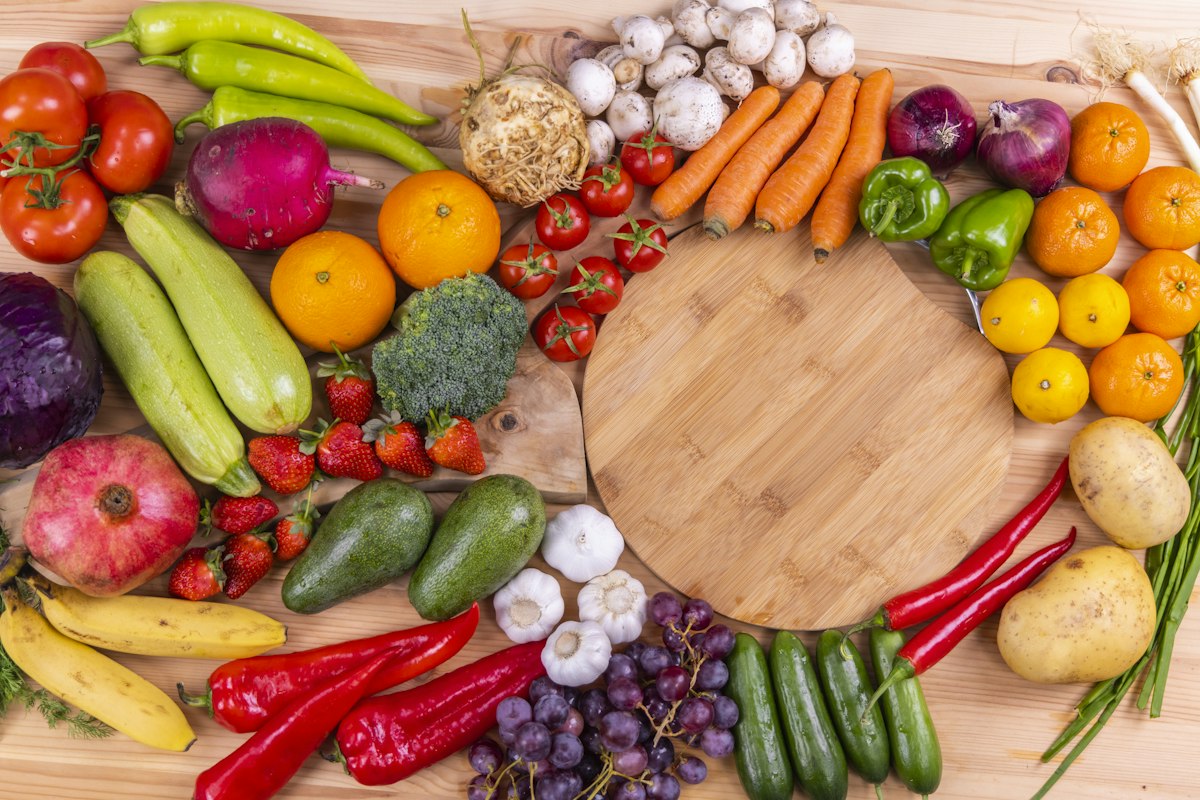
Cold and flu season hits and suddenly every supermarket aisle is plastered with "immunity-boosting" labels — orange juice, fancy vitamin gummies, $40 elderberry shots. The marketing makes it seem like fighting off sickness is mostly about which expensive product you buy.
The truth is much less exciting and much more useful: about 70-80% of your immune cells live in your gut. What you eat every day affects them way more than the latest "immune blend" capsule. The real game is feeding your body the nutrients it actually needs — consistently, not just when you feel a tickle in your throat.
Below are 12 foods that have real, well-documented effects on immune function. No marketing fluff. These are the foods that show up over and over in nutrition research as supporting how your body fights infection — and they're foods you can buy at any grocery store this week.
Heads up: No food prevents illness on its own. Diet is one part of a bigger picture that includes sleep, exercise, stress management, and vaccination. If you're sick or have a chronic immune condition, see your doctor — don't replace medical care with garlic.
How Food Actually Affects Your Immune System
Your immune system has two main jobs: identify threats (viruses, bacteria, damaged cells) and eliminate them. To do this, it needs specific nutrients in adequate amounts. When you're low on these — especially vitamin C, vitamin D, zinc, and selenium — your immune response weakens.
Even more important: the bacteria living in your gut (your microbiome) directly train and regulate your immune cells. A high-fiber, plant-rich diet keeps these bacteria thriving. A diet heavy in sugar and processed food kills off the good ones and lets harmful ones take over.
So the goal isn't to eat one magic immunity food a day. It's to consistently provide the building blocks your immune system needs. Here are the 12 best foods to focus on.
Quick Reference Table
| Food | Key Nutrient | Daily Goal |
|---|---|---|
| Citrus Fruits | Vitamin C | 1 serving |
| Garlic | Allicin | 1-2 cloves |
| Ginger | Gingerol | 1-2 g |
| Turmeric | Curcumin | ½ tsp |
| Greek Yogurt | Probiotics | 1 cup |
| Spinach | Vitamin A, C, E | 2 cups raw |
| Almonds | Vitamin E | 1 oz handful |
| Sweet Potatoes | Beta-carotene | 1 medium |
| Mushrooms | Beta-glucans, Vit D | 1 cup |
| Berries | Antioxidants | 1 cup |
| Fatty Fish | Omega-3, Vit D | 2 servings/week |
| Green Tea | EGCG | 2-3 cups |
The 12 Best Immune-Boosting Foods
1. Citrus Fruits
Citrus fruits — oranges, grapefruits, lemons, limes, mandarins — are the classic vitamin C delivery system. And vitamin C is essential because your body doesn't make or store it. You need fresh sources daily.
Vitamin C supports the production and function of white blood cells, especially neutrophils and lymphocytes, which actively fight infections. It also helps repair tissues damaged by inflammation.
How much: One whole orange or grapefruit covers about a day's worth.
Smart move: Eat the whole fruit, not just juice. The fiber slows down sugar absorption and you get more vitamin C per calorie.
2. Garlic
Garlic has been used as medicine for thousands of years, long before anyone understood why it worked. We do now — the active compound, allicin, has antiviral, antibacterial, and antifungal effects shown in dozens of studies.
One study found that people who took garlic supplements during cold season had 63% fewer colds than those who didn't. And the colds they got were shorter.
How much: 1-2 raw or lightly cooked cloves a day.
Important: Crush or chop garlic and let it sit for 10 minutes before cooking. This activates the allicin. Cooking it immediately after chopping destroys most of the active compound.
3. Ginger
Ginger has been a go-to for nausea and digestive issues forever, but its immune benefits are equally real. The gingerols and shogaols in it have potent anti-inflammatory and antioxidant effects.
Studies suggest ginger may help reduce sore throat pain and inflammatory pain elsewhere in the body.
How much: 1-2 grams of fresh ginger (about a thumb-size piece) daily.
Easy use: Grate into hot water with lemon and honey for a soothing tea. Add to stir-fries, smoothies, or curries.
4. Turmeric
Turmeric's active compound, curcumin, is one of the most-studied natural anti-inflammatory substances. Chronic inflammation weakens immune function over time, and curcumin helps keep it in check.
The catch: your body absorbs curcumin poorly on its own. Black pepper boosts absorption by up to 2000% thanks to a compound called piperine.
How much: ½ teaspoon daily.
Pro tip: Always pair turmeric with black pepper and a little fat. Add it to scrambled eggs, soups, golden milk, or curries.
5. Greek Yogurt (with Live Cultures)
Up to 80% of your immune cells live in your gut. The bacteria in fermented foods like yogurt directly support those cells. Look for the words "live and active cultures" on the label — that's what counts.
Greek yogurt also has more protein than regular yogurt, plus calcium and vitamin D (if fortified).
How much: 1 cup daily.
Skip the flavored kinds: Most are loaded with sugar that cancels out the benefits. Buy plain and add berries, honey, or nuts yourself.
6. Spinach (and Other Dark Leafy Greens)
Spinach is loaded with vitamins A, C, E, and folate — all crucial for immune function. It also has antioxidants that protect immune cells from damage.
Kale, swiss chard, arugula, and collard greens fall into the same category. Variety is good.
How much: 2 cups raw or 1 cup cooked daily.
Cook lightly: Vitamin C is heat-sensitive. A quick sauté or wilting into hot pasta preserves more nutrients than long boiling.
7. Almonds
Vitamin E gets less attention than vitamin C, but it's just as important. It's a fat-soluble antioxidant that protects immune cell membranes from oxidative damage.
A small handful of almonds (about 23 nuts, or 1 oz) gives you nearly half your daily vitamin E.
How much: 1 oz daily.
Other vitamin E sources: Sunflower seeds, hazelnuts, avocado, and sweet potato.
8. Sweet Potatoes
Sweet potatoes are packed with beta-carotene, which your body converts to vitamin A. Vitamin A keeps the lining of your respiratory tract and gut healthy — and those linings are literally your first line of defense against pathogens.
One medium sweet potato provides more than a day's worth of vitamin A.
How much: 1 medium sweet potato, several times a week.
How to eat: Baked whole with a little olive oil and cinnamon. Cubed and roasted. Mashed as a side.
9. Mushrooms
Most people don't think of mushrooms when it comes to immune health, but they should. Mushrooms contain beta-glucans — compounds that have been shown to activate immune cells called natural killer cells.
Sun-exposed mushrooms are also one of the few non-animal sources of vitamin D, which is critical for immune function.
Best varieties: Shiitake, maitake, oyster, and white button mushrooms.
How much: 1 cup, a few times a week.
10. Berries (Blueberries, Strawberries, Raspberries)
Berries are antioxidant powerhouses. Anthocyanins — the compounds that give them their deep colors — have been shown to fight oxidative stress that weakens immune cells.
Strawberries are also one of the highest fruit sources of vitamin C.
How much: 1 cup daily.
Frozen works: Frozen berries are picked ripe and flash-frozen, so they keep most of their nutrients. Cheaper too.
11. Fatty Fish (Salmon, Sardines, Mackerel)
Fatty fish are loaded with two things your immune system loves: omega-3 fatty acids (which reduce harmful inflammation) and vitamin D (which most people are low in).
Vitamin D deficiency is linked to higher rates of respiratory infections. Wild salmon is one of the best food sources — a 3-oz serving has about 450 IU of vitamin D.
How much: 2 servings (about 3-4 oz each) per week.
Budget option: Canned sardines or wild salmon are cheaper than fresh and just as nutritious.
12. Green Tea
Green tea contains EGCG (epigallocatechin gallate), a potent antioxidant that supports immune function. It also has L-theanine, an amino acid that may improve T-cell function — important for fighting infections.
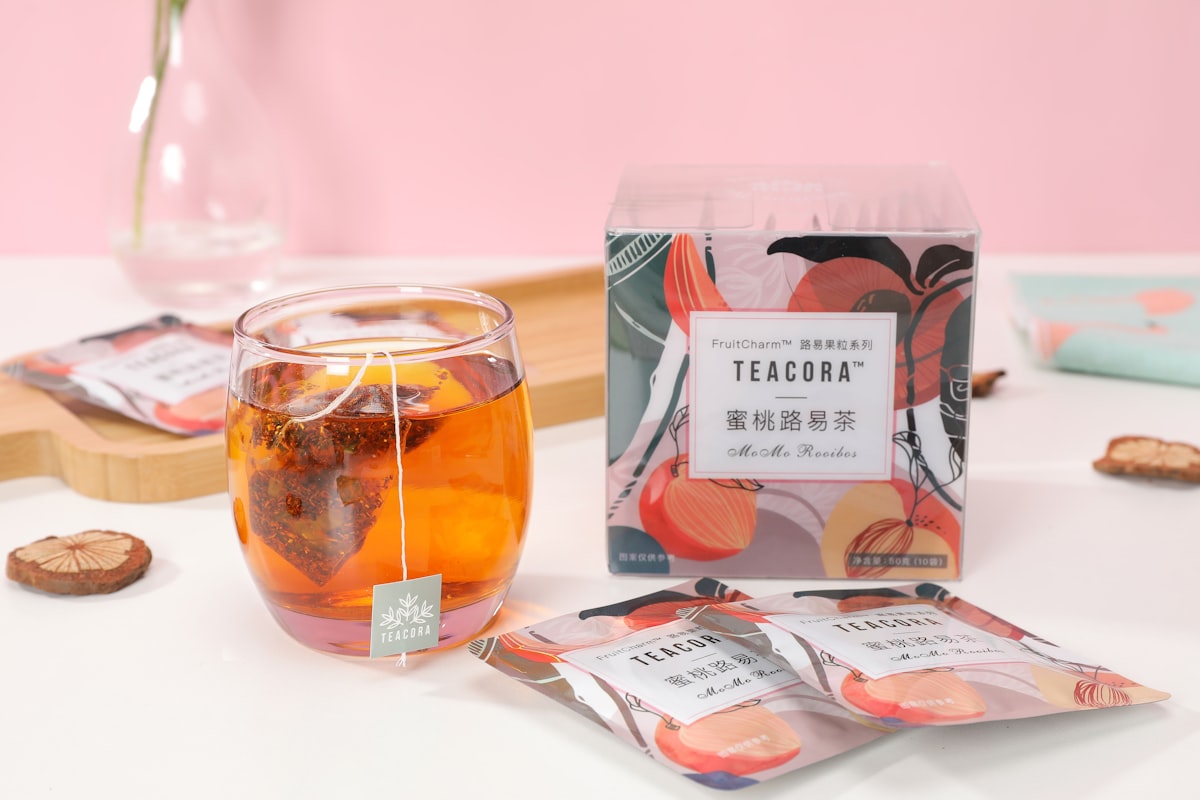
How much: 2-3 cups daily.
Don't ruin it: Skip the milk — dairy can bind to the polyphenols and reduce absorption. Lemon, on the other hand, enhances it.
Foods That Hurt Your Immune System
While adding the foods above helps, it's just as important to limit foods that work against your immune system:
1. Added Sugar
Studies show that consuming high doses of sugar can temporarily suppress immune cell function for hours after eating. Sodas, candy, baked goods, and sweetened drinks are the worst offenders.
2. Ultra-Processed Foods
Chips, frozen meals, fast food, and packaged snacks high in additives are linked to higher inflammation and altered gut bacteria — both bad for immunity.
3. Excess Alcohol
Heavy drinking impairs the gut's ability to absorb nutrients and damages immune cells. Moderate drinking (1 drink for women, 2 for men) is generally fine; chronic heavy drinking is not.
4. Trans Fats
Mostly banned now but still in some baked goods and fried foods. Increases inflammation and suppresses immune response.
A Daily Immune-Supporting Meal Plan
Here's how to fit several of these foods into one day without overthinking it:
- Breakfast: Greek yogurt with mixed berries, almonds, and a drizzle of honey. Green tea on the side.
- Mid-morning: One orange or clementine.
- Lunch: Spinach salad with grilled salmon, sweet potato cubes, walnuts, and olive oil-lemon dressing.
- Snack: Apple slices with almond butter, or a small handful of mixed nuts.
- Dinner: Stir-fry with mushrooms, garlic, ginger, broccoli, brown rice, and your choice of protein. Season with turmeric.
- Evening: Cup of ginger-lemon tea.
Beyond Food: What Else Matters
Food is huge, but it's only one part. These also affect immunity:
- Sleep: Less than 6 hours a night significantly reduces immune cell production. Aim for 7-9.
- Stress: Chronic stress raises cortisol, which suppresses immune function. Daily walks, meditation, or just downtime help.
- Exercise: Moderate exercise (30 minutes most days) boosts immune cell circulation. Overtraining can backfire.
- Hydration: Mucus membranes need water to trap and remove pathogens. Aim for adequate water daily.
- Sunlight: 15-20 minutes of midday sun a few times a week helps your body produce vitamin D naturally.
Frequently Asked Questions
Do immune-boosting supplements work?
Some do, in specific situations. Vitamin D supplements help if you're deficient (most people are). Zinc lozenges may shorten cold duration if taken early. Most "immunity blends" sold in stores have weak evidence behind them. Food first, supplements second — and ideally only after a blood test shows what you actually need.
Can I "boost" my immune system to never get sick?
No — and you don't actually want to. A "boosted" immune system can turn against your own body (autoimmune issues). The goal is a balanced, well-functioning immune system, not an overactive one.
How fast can diet improve my immunity?
Some effects (like reducing inflammation) start within days. Bigger shifts in your gut microbiome and immune resilience take 2-3 months of consistent eating.
Is fasting bad for the immune system?
Short-term fasting (like intermittent fasting) doesn't appear to harm immunity for healthy adults — some research even shows benefits. Extended fasting without medical supervision can weaken immune function over time.
What about elderberry, echinacea, and other herbal supplements?
Mixed evidence. Elderberry has some research supporting shorter cold and flu duration. Echinacea results are inconsistent. Neither replaces good nutrition, sleep, and basic hygiene.
Are oranges actually the best source of vitamin C?
Not by a long shot. Red bell peppers have nearly 3 times more vitamin C per cup than oranges. Strawberries, kiwi, broccoli, and Brussels sprouts are all excellent sources too.
Does drinking lemon water boost immunity?
It provides some vitamin C and hydration, which is helpful, but it's not a magic bullet. A whole lemon has about 30 mg of vitamin C — useful, but you'd need other sources too.
Can I get all my nutrients from food alone?
Mostly yes, except for vitamin D (especially in winter or if you spend most days indoors). A simple blood test can tell you what you're low in. Whole foods always work better than pills for most nutrients.
The Bottom Line
Strong immunity isn't something you buy in a $30 bottle the day before flu season. It's built over months and years through what you put on your plate, how you sleep, how you handle stress, and how you move your body.
Start small. Add one or two of the foods on this list to meals you already eat — maybe berries with breakfast, garlic and ginger in dinner, a cup of green tea in the afternoon. Cut back on sugary drinks and ultra-processed snacks.
Within a few weeks, most people notice they feel different — more energy, better digestion, fewer minor sicknesses. That's your immune system doing what it's supposed to, finally given the fuel to do it well.
Your body's built to defend you. Your job is just to give it the materials.