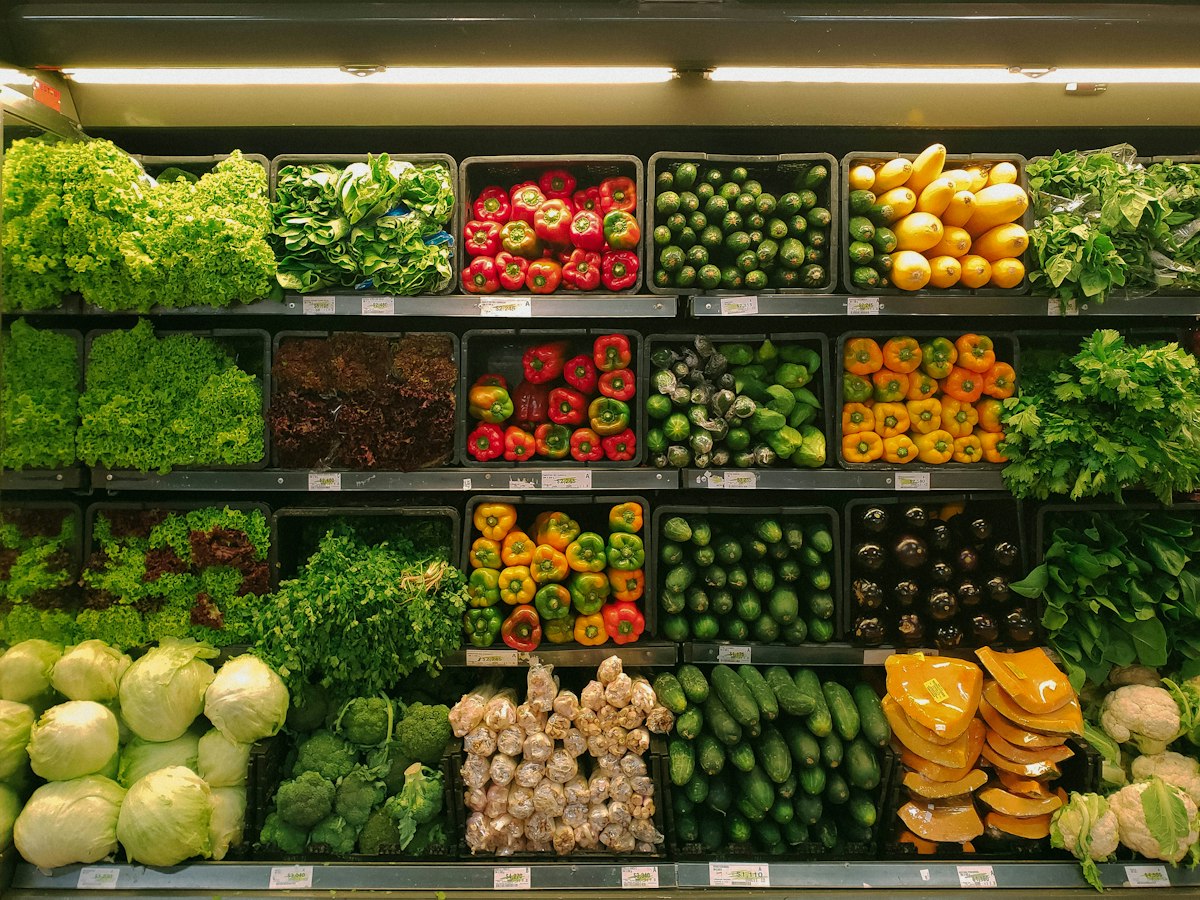
Grocery prices have gone wild over the past few years. A bag of apples that used to cost $4 is now $7. Olive oil prices have nearly doubled. Even basic staples like eggs have had their wild swings. So when people ask me if it's still possible to eat healthy on a tight budget, the honest answer is: yes, but you have to be smart about it.
Here's the thing — the most expensive items in your cart usually aren't the healthiest ones. Specialty "superfoods," organic packaged snacks, fancy protein bars, cold-pressed juices — these add up fast and often deliver less nutrition per dollar than humble pantry staples that have been around for centuries.
Some of the cheapest foods in the grocery store are also some of the most nutrient-dense on Earth. Beans, eggs, oats, frozen vegetables, cabbage — these aren't fancy or trendy, but they're the foundation of healthy eating in basically every culture on the planet, for good reason.
This guide covers 20 of the best cheap healthy foods, what they cost, why they're worth buying, and how to use them. Stock up on most of these and you can eat well for a fraction of what fancy "health food" diets cost.
Real-world tip: Prices below are rough US averages from 2026. They'll vary by region, store, and time of year — but the relative cheapness of these foods stays consistent everywhere.
Why Cheap Doesn't Mean Unhealthy
There's a stubborn myth that healthy eating is automatically expensive. It's not. Some of the most processed, fattening foods (fast food, frozen pizzas, chips) actually cost more per nutrient than basic whole foods. A $1 can of black beans has more protein, fiber, and minerals than a $1 bag of chips — and it fills you up so you eat less overall.
The trick is shifting how you shop:
- Skip the inner aisles. The cheapest healthy foods are mostly around the edges of the store — produce, dairy, eggs, meat, frozen.
- Buy whole, not pre-prepared. A whole chicken costs less per pound than pre-cut breasts. A head of cabbage costs less than a bag of pre-cut slaw mix.
- Frozen and canned often beats fresh. Frozen vegetables and canned fish are usually cheaper, last longer, and have similar (sometimes better) nutrition than fresh.
- Store brands work fine. Most store-brand staples are nearly identical to name brands at 30-50% less.
Quick Reference: 20 Cheap Healthy Foods at a Glance
| Food | Approx Cost | Why It's Great |
|---|---|---|
| Oats | $3 / lb (~15¢ per serving) | Fiber, B vitamins, very filling |
| Eggs | $3-5 / dozen | Complete protein, every nutrient |
| Dried/Canned Beans | $1-2 / lb | Protein, fiber, minerals |
| Lentils | $2 / lb | Highest protein/dollar ratio |
| Brown Rice | $2 / lb | Whole grain, lasts forever |
| Cabbage | $2-3 / head | Fiber, vitamins C and K, lasts weeks |
| Bananas | 25¢ each | Potassium, fiber, portable |
| Potatoes | $1 / lb | Vitamin C, potassium, filling |
| Sweet Potatoes | $1.50 / lb | Beta-carotene, fiber |
| Carrots | $1 / lb | Vitamin A, fiber |
| Frozen Vegetables | $1-2 / bag | Same nutrition as fresh, no waste |
| Frozen Berries | $3-4 / lb | Antioxidants, lasts months |
| Canned Tomatoes | $1 / can | Lycopene, versatile |
| Canned Tuna/Sardines | $1-3 / can | Omega-3, protein |
| Plain Yogurt | $3-4 / 32 oz | Protein, probiotics |
| Cottage Cheese | $2-3 / lb | High protein, low cost |
| Peanut Butter | $3-5 / jar | Protein, healthy fats |
| Whole Chicken | $1.50-2 / lb | Multiple meals, lean protein |
| Onions and Garlic | $1-2 / lb | Flavor + nutrition staples |
| Popcorn (kernels) | $3 / lb (months of snacks) | Whole grain, fiber |
The 20 Best Cheap Healthy Foods
1. Oats
If there's a single food that delivers more value per dollar than oats, I haven't found it. A large container costs around $5 and lasts for weeks. Oats are loaded with fiber, B vitamins, manganese, and a special type of fiber called beta-glucan that lowers cholesterol.
How to use them: Overnight oats are the easiest breakfast hack ever. Mix ½ cup oats with milk or yogurt and refrigerate overnight. Top with fruit and nut butter in the morning. Total cost: under $1.
Skip the instant flavored packets — they're loaded with sugar and cost twice as much.
2. Eggs
One of the most nutrient-dense foods on the planet, and even with recent price hikes, still one of the cheapest sources of complete protein. Each egg has 6g of protein, plus B12, choline, vitamin D, and selenium.
How to use them: Scrambled, boiled, fried, in omelets, frittatas, or simply over rice. Hard-boil a dozen at once and keep in the fridge for grab-and-go protein.
3. Dried or Canned Beans
Beans are the cheapest source of protein you can buy. A can costs about a dollar and contains 15g of protein and 10-15g of fiber. Black beans, pinto beans, kidney beans, navy beans, chickpeas — they all qualify.
Dried beans are even cheaper — a pound of dried beans (about 6 cups cooked) costs $1-2. Yes, you need to soak and cook them, but it's mostly hands-off time.
Easy meal: A can of black beans, a can of diced tomatoes, garlic, cumin, and salt. Simmer 10 minutes. Serve over rice. That's a meal for under $3 that feeds two people.
4. Lentils
Lentils cook in 15-20 minutes — faster than rice. They're loaded with protein (18g per cooked cup), fiber, iron, and folate. A bag of red lentils costs around $2 and makes about 6-8 servings.
How to use them: Lentil soup, dal, curry, or thrown into salads. They take on whatever flavors you cook them with.
5. Brown Rice
Brown rice is one of the cheapest whole grains. A 5-pound bag costs around $8 and lasts for ages. It's a great base for bowls, stir-fries, and side dishes.
Bulk cook it: Make a big pot on Sunday, portion into containers, and use throughout the week. Reheats well, freezes even better.
6. Cabbage
The most underrated vegetable. A single head costs $2-3 and lasts in your fridge for 2-3 weeks. It's loaded with vitamin C, vitamin K, fiber, and antioxidants — and one head makes 10-15 servings.
How to use it: Shred into slaws and salads. Throw into soups. Stir-fry with garlic and soy sauce. Use as taco filler. Roast in wedges with olive oil and salt.
7. Bananas
About 25 cents each, and you get potassium, vitamin B6, fiber, and natural sweetness. Bananas don't need refrigeration and travel well — perfect for breakfast or snacks.
Pro tip: When they get too ripe, peel and freeze them. Frozen bananas blend into incredible smoothies and "nice cream" (blended frozen banana = soft serve).
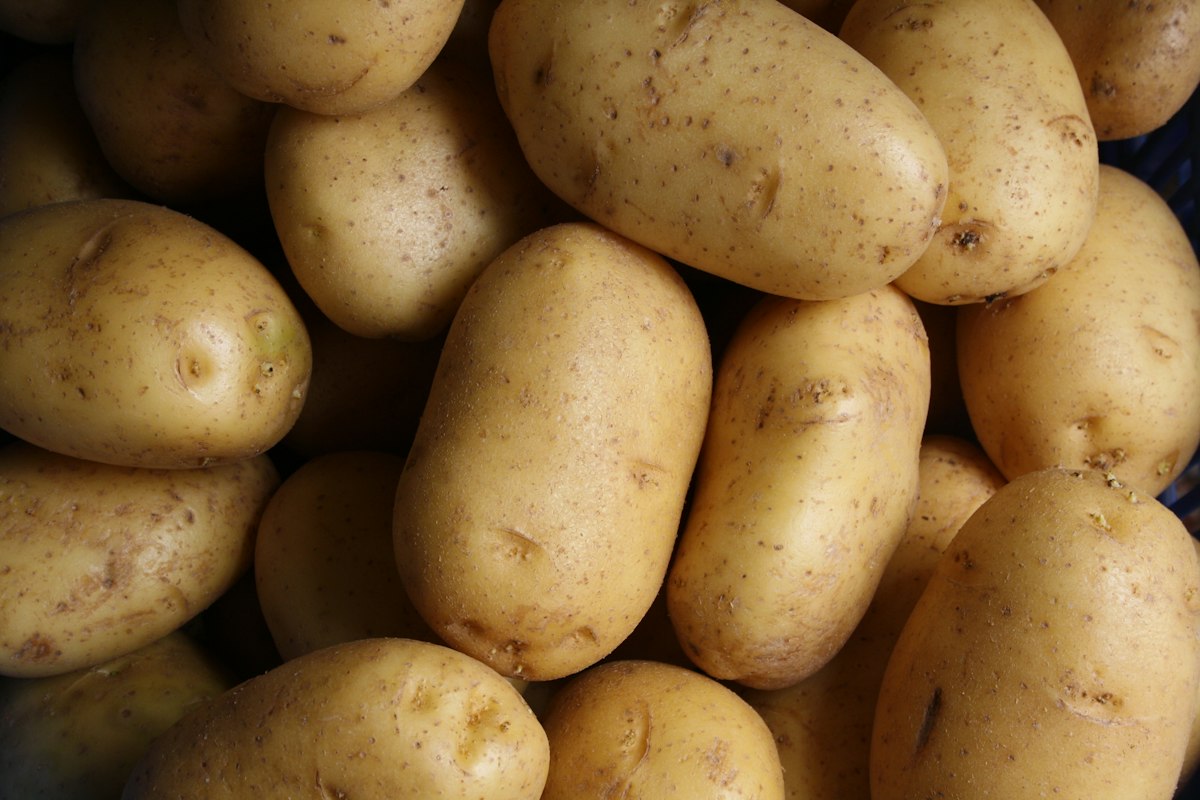
8. Potatoes (White and Yellow)
Potatoes get a bad reputation they don't deserve. A 5-pound bag costs $3-5 and provides serious nutrition: vitamin C, vitamin B6, potassium, and resistant starch (especially when cooled).
How to use them: Baked whole, roasted with herbs, mashed, in soups, or even cold in potato salads. The skin has most of the fiber, so leave it on.
9. Sweet Potatoes
Slightly more expensive than regular potatoes but packed with beta-carotene (vitamin A), fiber, and antioxidants. A medium sweet potato gives you over 400% of your daily vitamin A.
Easiest method: Bake whole at 400°F for 45 minutes. Slice open, top with butter, cinnamon, or whatever you like.
10. Carrots
A pound of carrots costs about $1. They're loaded with vitamin A, fiber, and antioxidants. They last weeks in the fridge.
How to use them: Raw as snacks, roasted with olive oil, sliced into soups and stews, or grated into salads and pasta sauce.
11. Frozen Vegetables
Frozen veggies are picked ripe, flash-frozen, and packed with nutrients. They're often cheaper than fresh, last for months, and have zero waste. Frozen broccoli, spinach, peas, green beans, mixed vegetables — all great.
Real talk: A bag of frozen broccoli for $1.50 will feed you for 3-4 meals. A fresh head of broccoli costs the same and might wilt before you finish it.
12. Frozen Berries
Fresh berries are expensive and rot fast. Frozen berries cost half as much, last for months, and work perfectly in smoothies, oatmeal, yogurt, and baking. Frozen blueberries, raspberries, and strawberries are all loaded with antioxidants.
13. Canned Tomatoes
A $1 can of crushed or diced tomatoes is the base of countless meals — pasta sauce, chili, soup, curry. They actually have more lycopene than fresh tomatoes because cooking concentrates it.
14. Canned Tuna and Sardines
Canned tuna (in water) is the cheapest source of lean protein you can buy. A small can has 15-20g of protein for about $1. Canned sardines are even better — packed with omega-3 fats, vitamin D, and calcium.
Easy meals: Tuna salad with Greek yogurt instead of mayo. Sardines on whole grain crackers. Tuna mixed into pasta with olive oil and lemon.
15. Plain Yogurt
A 32-oz container of plain yogurt costs around $3-4. Compare that to small flavored cups at $1 each — you're getting 5-6 times the yogurt for the same money. Greek yogurt has even more protein per serving.
Make it interesting: Top with frozen berries, honey, nuts, or homemade granola. Use as a sour cream substitute.
16. Cottage Cheese
Having a comeback for good reason. A pound costs $2-3 and provides 28g of protein. It's filling, versatile, and works in savory or sweet dishes.
Try it: On toast with cracked pepper. With fruit and honey for breakfast. Blended smooth for a creamy pasta sauce or dip.
17. Peanut Butter
A jar of natural peanut butter (look for ones with just peanuts and salt) costs $3-5 and lasts weeks. It's loaded with protein, healthy fats, and fiber. Spread on whole grain toast, blend into smoothies, dip apple slices in it, or stir into oatmeal.
18. Whole Chicken
If you eat meat, buying whole chickens instead of pre-cut pieces saves significant money. A whole chicken costs $1.50-2 per pound versus $5+ per pound for chicken breasts.
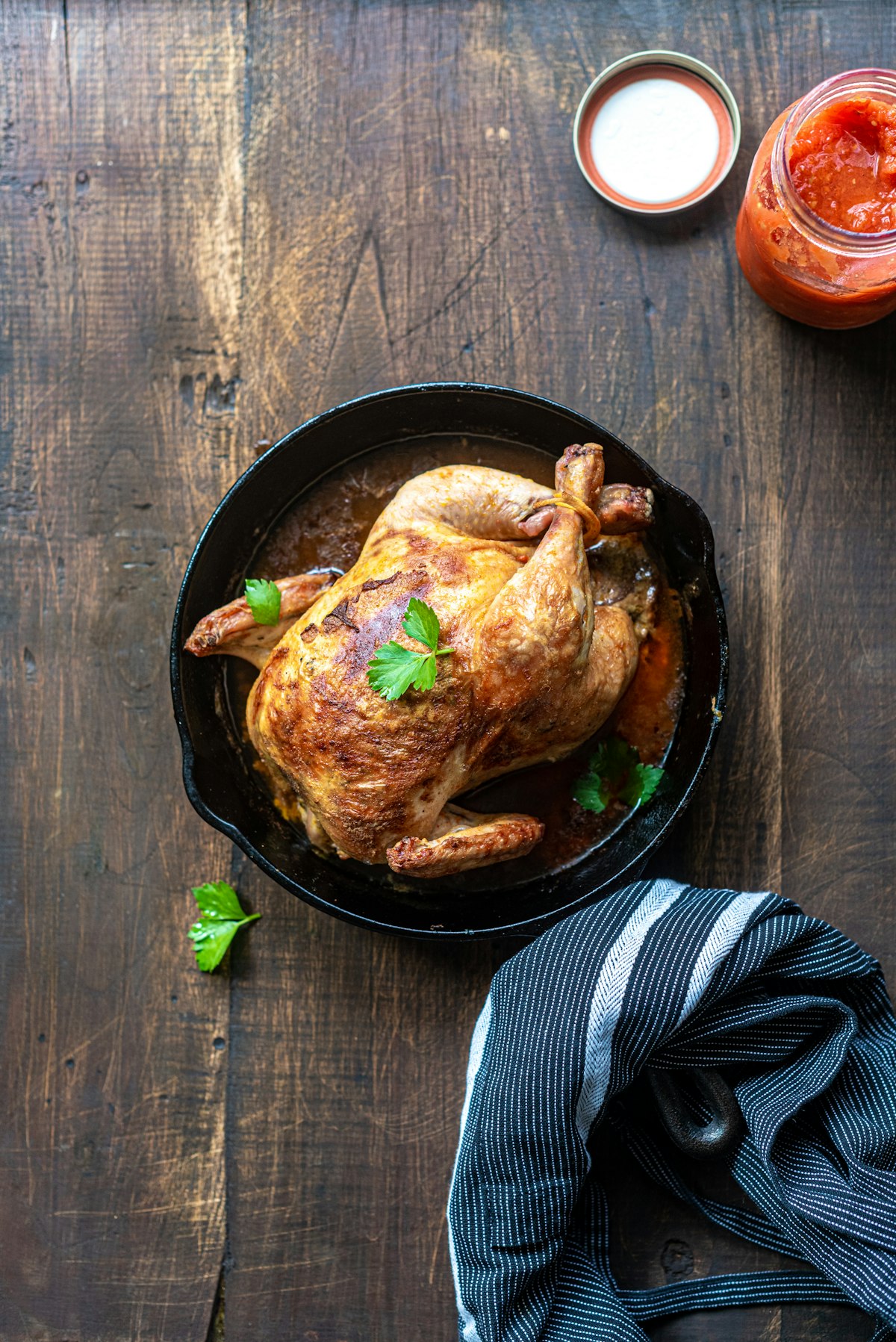
Stretch it: One $8 whole chicken makes 3-4 meals (roasted, in salads/wraps, soup from the bones). Total cost per meal: $2-3.
19. Onions and Garlic
These two are the flavor base of most cuisines on earth, and they're some of the cheapest produce items. They last weeks in a cool, dark spot. Onions are loaded with antioxidants and prebiotic fiber. Garlic has immune-boosting compounds and adds huge flavor.
20. Popcorn (Kernels, Not Microwave Bags)
A bag of popcorn kernels costs $3 and makes literally months of snacks. It's a whole grain, naturally low in calories, and high in fiber.
Stovetop method: Heat 2 tbsp oil in a pot. Add ½ cup kernels. Cover and shake until popping slows. Toss with sea salt or nutritional yeast.
Sample $30 Weekly Grocery List for One Person
Here's how to feed yourself for a week on $30:
- Dozen eggs — $4
- 1 lb dried lentils — $2
- 2 cans beans — $2
- 2 cans diced tomatoes — $2
- 1 large container plain yogurt — $4
- 1 lb oats — $3
- 2 lbs brown rice — $4
- 1 head cabbage — $3
- 5 lbs potatoes — $5
- 2 lbs carrots — $2
- 2 bags frozen vegetables — $3
- 3 bananas — $1
- 1 jar peanut butter — $4
- 1 onion + garlic — $2
Total: $41. That covers 21 meals plus snacks. Add chicken, fish, or extra produce as your budget allows.
Where to Save Even More
Shop at Discount Stores
Aldi, Costco, Lidl, and ethnic grocery stores have significantly lower prices than mainstream chains. Specialty pantry items like spices and grains are particularly cheaper at international markets.
Buy in Bulk When It Makes Sense
Rice, oats, dried beans, lentils, frozen vegetables — these last for ages and bulk pricing is much cheaper.
Pay Attention to Unit Prices
The unit price (price per ounce or pound) on shelf labels reveals which option is actually cheaper. Bigger isn't always better, but it usually is for staples.
Use Frozen and Canned Strategically
For things you'd otherwise waste (berries, vegetables), buy frozen or canned. For things you'll definitely use within days (potatoes, onions), buy fresh.
Cook Once, Eat Three Times
Roast a chicken on Sunday. Use it for tacos Monday, salad Tuesday, soup Wednesday. Cook a big pot of beans or rice once and use it all week.
Plant Some Herbs
Basil, parsley, mint, and green onions all grow easily in pots or even glasses of water. Fresh herbs at the store cost $2-3 per bunch — at home, they're nearly free after the initial pot.
Frequently Asked Questions
Is healthy eating really more expensive than fast food?
When you do the math per meal, no. A fast food meal costs $8-12 per person. A homemade meal of brown rice, beans, and frozen vegetables costs $2-3 per person and is far more nutritious.
Should I buy organic on a tight budget?
If you can afford organic, great. If not, don't stress. Eating any vegetables and fruits — conventional or organic — is far better than eating processed foods. Focus on getting more produce in your diet first, organic second.
Are frozen vegetables really as healthy as fresh?
Often yes — sometimes even better. Frozen vegetables are picked at peak ripeness and flash-frozen within hours, locking in nutrients. Fresh vegetables can lose nutrients during transport and storage.
What about meal prep — is it worth it?
Yes. Even 1-2 hours on Sunday can set you up for the whole week. Bulk cooking grains, hard-boiling eggs, washing veggies, and pre-portioning snacks saves both time and money.
How can I save money on protein?
Plant proteins are cheapest — beans, lentils, eggs, peanut butter. Among animal proteins, whole chickens, canned tuna/sardines, and ground turkey are the most affordable.
Should I avoid all packaged foods?
Not necessarily. Plain frozen vegetables, canned beans, canned tomatoes, plain yogurt, oats, and brown rice all come "packaged" but are perfectly healthy. It's the ultra-processed packaged foods (chips, frozen meals, sugary cereals) that hurt both budget and health.
How do I make beans taste good?
Salt, fat, and acid. Cook beans with onion, garlic, and a bay leaf. Add salt at the end. Drizzle with olive oil. Squeeze of lemon or lime brightens everything. A pinch of cumin or smoked paprika adds depth.
Can I lose weight eating these cheap foods?
Easily. Almost all foods on this list are high-protein, high-fiber, and minimally processed — the exact formula for sustainable weight loss.
The Bottom Line
You don't need a big grocery budget to eat well. Some of the cheapest foods in the store — beans, eggs, oats, cabbage, frozen vegetables — are also some of the most nutritious. Combine them with a few basic seasonings and you've got the foundation for endless healthy meals.
Pick five foods from this list and stock up this week. Maybe oats, eggs, beans, frozen vegetables, and brown rice. That single shopping trip — under $20 — gives you the building blocks for breakfasts, lunches, and dinners for a full week.
Eating healthy on a budget isn't about deprivation. It's about going back to basics — the foods that built strong, healthy bodies long before $15 smoothies and $80 supplement bottles entered the picture. Your wallet and your body will both thank you.