Most people think about sleep hygiene in terms of screens, bedroom temperature, and bedtime routines. But what you eat — and when you eat it — plays a surprisingly significant role in how easily you fall asleep and how deeply you stay asleep.
Certain foods contain nutrients that directly support melatonin production, activate calming neurotransmitters, relax muscles, and stabilise blood sugar overnight. This is not folk medicine. It is biochemistry — and the evidence, while still growing, is genuinely compelling.
Here is what science currently supports, explained without overstatement.
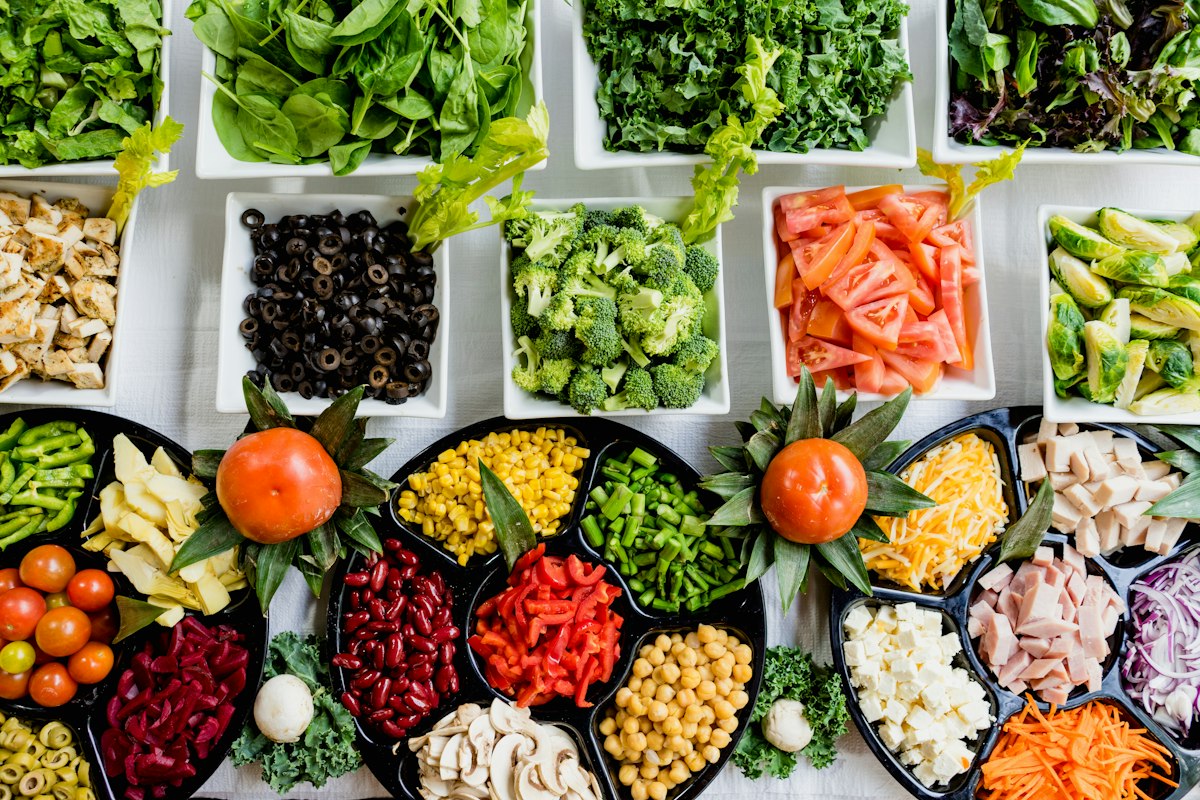
The Nutritional Pathways Behind Sleep
Before diving into specific foods, it helps to understand the key nutrients involved in sleep regulation:
- Tryptophan — an essential amino acid that the body converts into serotonin and then melatonin. You cannot make it yourself — it must come from food.
- Melatonin — the hormone that signals darkness and triggers sleep onset. It is produced by the pineal gland but also found directly in certain foods.
- Magnesium — involved in over 300 enzymatic reactions including those that regulate GABA receptors, which calm the nervous system. Magnesium is also a cofactor in converting tryptophan to melatonin.
- Serotonin — a neurotransmitter that plays a direct role in sleep duration and quality, and is the precursor to melatonin.
- Carbohydrates — when eaten alongside tryptophan-containing foods, carbohydrates help the brain absorb tryptophan more effectively by stimulating insulin release.
- B vitamins — essential cofactors in the tryptophan-to-melatonin conversion pathway.
1. Tart Cherries (and Tart Cherry Juice)
Tart cherries — particularly the Montmorency variety — are one of the few whole foods with genuinely meaningful natural melatonin content. Multiple human studies have shown that consuming tart cherry juice increases urinary melatonin levels and improves sleep duration and quality.
One clinical trial involving adults aged 50 and over with persistent insomnia found that those who drank tart cherry juice slept meaningfully longer and rated their sleep quality higher than those who did not. The melatonin content, combined with procyanidins that inhibit an enzyme that breaks down tryptophan, makes tart cherry one of the most evidence-backed sleep foods available.
How to use it: Around 240ml (8 oz) of unsweetened tart cherry juice about an hour before bed. Avoid sweetened commercial versions, particularly if you have blood sugar concerns.
2. Almonds and Walnuts
Both almonds and walnuts are excellent sources of melatonin and magnesium — a particularly powerful combination for sleep. Almonds provide about 76mg of magnesium per 30-gram serving (roughly 18% of the daily requirement), alongside tryptophan and healthy fats that support satiety through the night.
Walnuts stand out for containing one of the higher melatonin concentrations of any nut, alongside omega-3 fatty acids that may support serotonin production. Pistachios are also worth noting — they contain unusually high melatonin levels, with some research suggesting they have more melatonin than almost any other food source tested.
How to use it: A small handful (30 grams) of mixed nuts as an evening snack — enough to provide the benefits without adding excessive calories before bed.
3. Turkey and Other Tryptophan-Rich Proteins
Turkey is the food most associated with post-meal drowsiness — the Thanksgiving effect. The biochemistry is real, even if turkey alone will not put you to sleep (you need carbohydrates alongside tryptophan for effective brain uptake). Turkey is genuinely one of the richest dietary sources of tryptophan.
The key mechanism: tryptophan competes with other amino acids for transport across the blood-brain barrier. When carbohydrates are eaten alongside tryptophan-rich foods, insulin clears competing amino acids from the bloodstream, giving tryptophan relatively clear access to the brain — where it is converted into serotonin and eventually melatonin.
Other excellent tryptophan sources include chicken, eggs, tofu, edamame, cheese, pumpkin seeds, and salmon.
How to use it: A dinner built around a tryptophan-rich protein (turkey, chicken, fish, or tofu) paired with complex carbohydrates (brown rice, sweet potato, whole grain bread) eaten two to three hours before bed.
4. Kiwi Fruit
Kiwi is one of the most studied individual foods for sleep, and the results are more impressive than you might expect. A small clinical study at Taipei Medical University found that eating two kiwi fruits one hour before bed for four weeks resulted in participants falling asleep 35% faster, sleeping 13% longer, and waking less frequently during the night.
The proposed mechanisms include kiwi's high vitamin C and antioxidant content (oxidative stress is linked to poor sleep), its serotonin content, and its folate — folate deficiency has been associated with insomnia. More large-scale trials are needed to confirm these findings, but the evidence is promising and the food itself is nutritious regardless.
How to use it: Two kiwi fruits about an hour before bed. Peel and eat or blend into a small smoothie.
5. Milk and Dairy Products
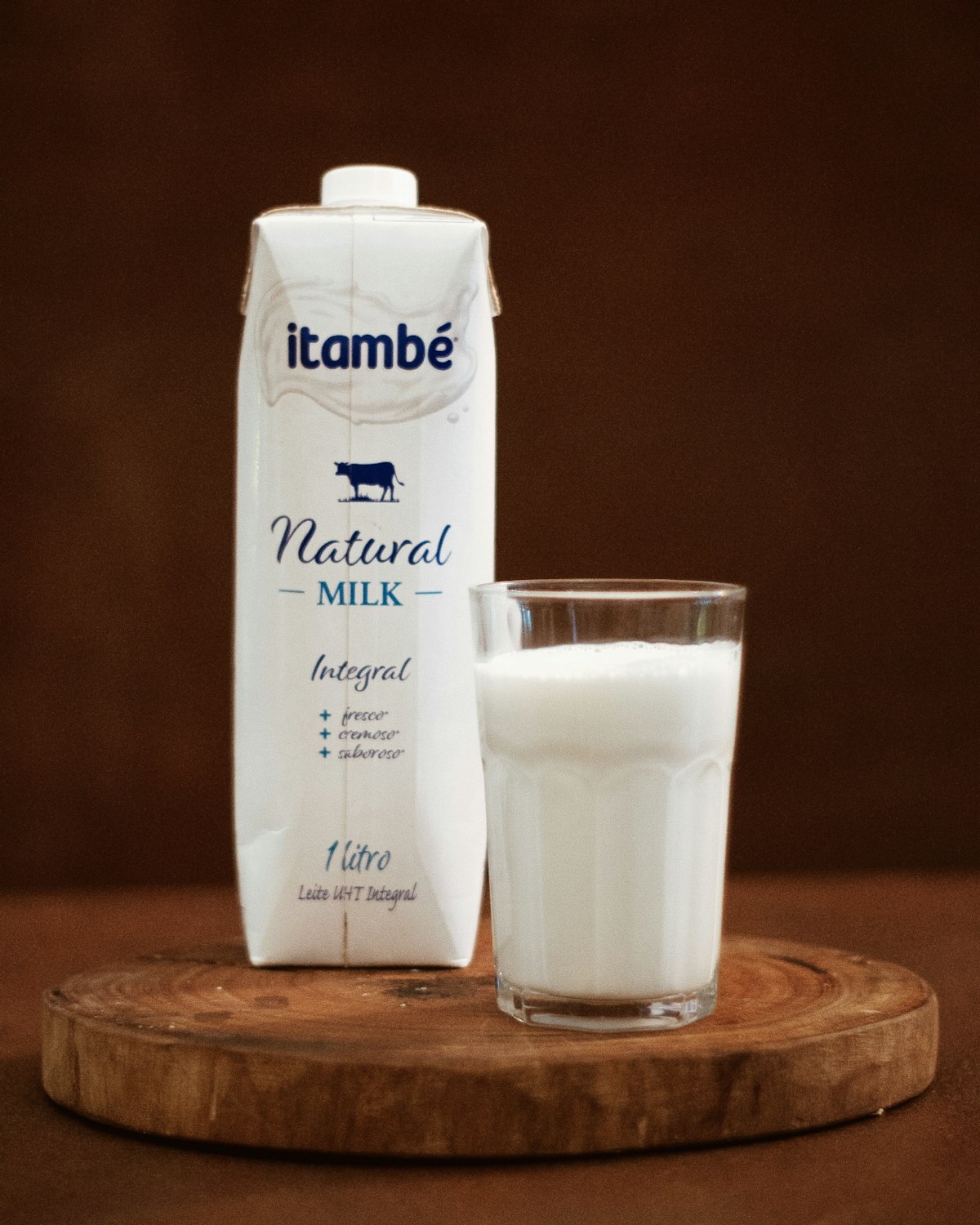
The warm milk before bed tradition has more scientific backing than most people assume. Dairy products contain tryptophan, calcium (which helps the brain convert tryptophan to melatonin), and some melatonin directly. Interestingly, research has found that milk harvested at night contains substantially more melatonin than daytime milk — though this detail rarely makes it to the supermarket shelf.
Cottage cheese is particularly useful as a pre-bed food because it is rich in casein — a slow-digesting protein that maintains a steady amino acid supply through the night, supporting muscle recovery and preventing the overnight hunger that can fragment sleep.
How to use it: A small glass of warm milk or a serving of cottage cheese as a light evening snack. Avoid large portions of dairy close to bed as it can cause digestive discomfort in some people.
6. Oats
Oats are a surprisingly good sleep food for several reasons. They contain melatonin directly, alongside tryptophan and complex carbohydrates that support tryptophan absorption. They also have a medium glycaemic index that provides steady blood sugar — important because blood sugar crashes overnight can cause early waking and fragmented sleep.
A bowl of plain oatmeal in the evening, eaten two to three hours before bed rather than right before, provides satiety and sleep-supporting nutrients without burdening digestion.
How to use it: Plain rolled oats (not instant — these are more processed and have a higher glycaemic index) topped with a handful of nuts or a small banana. Avoid sweetening heavily.
7. Fatty Fish (Salmon, Mackerel, Sardines)
A study published in the Journal of Clinical Sleep Medicine found that men who ate Atlantic salmon three times per week for six months fell asleep faster and reported better daily functioning compared to those who ate chicken, beef, or pork instead. The proposed mechanism involves both vitamin D and omega-3 fatty acids in fish, both of which regulate serotonin production.
Fatty fish are also rich in B vitamins — particularly B6 and B12 — which are essential cofactors in melatonin synthesis. Including salmon or mackerel as part of a regular evening meal (two to three times per week) contributes meaningfully to sleep quality over time.
How to use it: As part of dinner rather than as a pre-bed snack — fatty fish is best eaten at least two hours before sleep to allow digestion.
8. Bananas
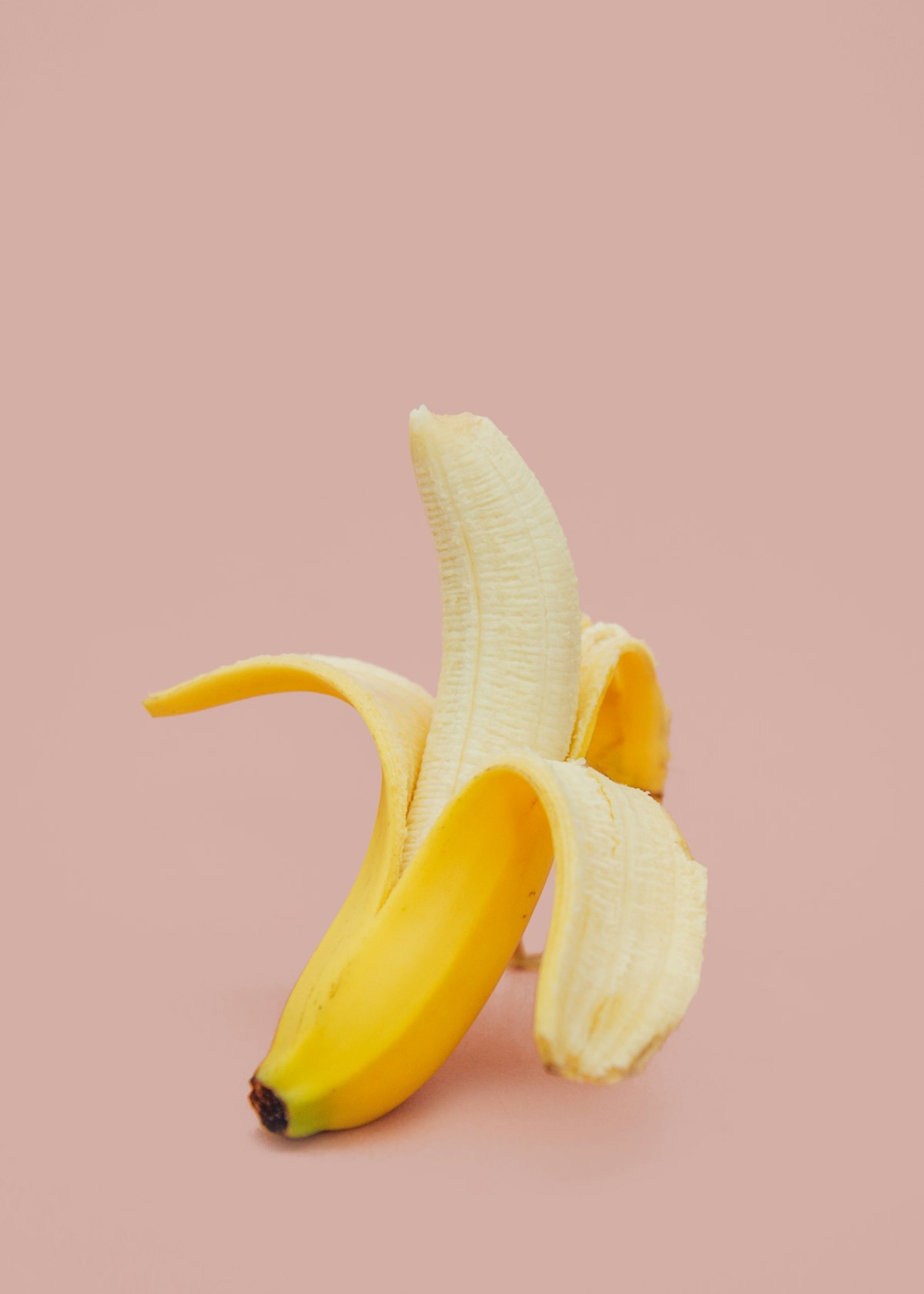
Bananas provide three sleep-supporting nutrients in one convenient package: magnesium, potassium, and tryptophan. The magnesium helps relax muscles and supports GABA activity. Potassium reduces muscle cramps that can wake people during the night. Tryptophan contributes to serotonin and melatonin production.
Bananas also contain natural sugars that, when eaten alongside their fibre content, produce a gentle, sustained blood sugar response — helping prevent the overnight hypoglycaemia that causes early waking in some people.
How to use it: One banana as a light evening snack, ideally paired with a tablespoon of nut butter for added tryptophan and healthy fat that slows glucose absorption.
9. Chamomile and Passionflower Tea
Chamomile tea is one of the most well-researched herbal sleep remedies. It contains apigenin — an antioxidant that binds to GABA receptors in the brain, producing a calming, mildly sedative effect. Multiple studies in older adults with chronic insomnia have found that chamomile extract meaningfully improves sleep quality and reduces nighttime waking.
Passionflower has similarly promising evidence. A randomised controlled trial published in 2024 found that passionflower supplementation significantly improved sleep quality in participants with stress and sleep problems. As a tea, it provides a gentler but still measurable effect on relaxation and sleep onset.
How to use it: One to two cups of chamomile or passionflower tea in the 60–90 minutes before bed. Avoid caffeinated teas (including green tea and most herbal blends marketed as "relaxing" — always check the label).
10. Dark Chocolate (In Moderation)
This one comes with important caveats. Dark chocolate (70% cocoa or higher) contains magnesium and serotonin-boosting compounds. The sugar in a small amount of dark chocolate triggers an insulin response that helps clear competing amino acids from the bloodstream, leaving tryptophan a clearer path to the brain.
However, dark chocolate also contains caffeine and theobromine — both stimulants. One or two small squares (roughly 10–15 grams) eaten early in the evening may offer sleep benefits. Larger amounts or eating it close to bedtime risks the stimulant effects outweighing the benefits. This is an enjoyable but nuanced addition — not a reliable sleep aid on its own.
How to use it: One or two squares of 70%+ dark chocolate as part of dinner or in the early evening. Not as a pre-bed snack.
Foods to Avoid Before Bed
What you avoid matters as much as what you include:
- Caffeine — coffee, black and green tea, energy drinks, and cola should be avoided from early afternoon. Caffeine has a five to six hour half-life.
- Alcohol — helps you fall asleep but significantly disrupts sleep architecture, particularly REM sleep, in the second half of the night.
- Large, heavy meals — eating a substantial meal within two hours of bedtime forces your digestive system to work during sleep, raising core temperature and fragmenting sleep.
- Spicy or high-fat foods — increase core body temperature and can cause acid reflux, both of which disrupt sleep.
- High-sugar foods — cause blood sugar spikes and crashes that can trigger nighttime waking.
The Bottom Line
No single food is going to fix chronic insomnia or dramatically transform your sleep on its own. But a consistent dietary pattern that includes tryptophan-rich proteins, magnesium-rich nuts and seeds, complex carbohydrates, and specific sleep-supporting foods like tart cherry juice and kiwi can meaningfully improve your sleep quality over weeks and months.
Think of sleep-supporting nutrition not as a pre-bed ritual but as a day-long pattern. A dinner that combines tryptophan and complex carbohydrates, a small nut-based snack in the evening, and a cup of chamomile tea before bed is not a magic formula — but it is a solid foundation, and the evidence suggests it makes a real difference.