
One bad night of sleep and you feel it everywhere — the foggy thinking, the irritability, the physical heaviness that no amount of coffee quite fixes. Now imagine that happening every night, on a smaller scale, without you fully registering it. That is what chronic sleep deprivation looks like for millions of people, and the health consequences are far more serious than most realise.
Sleep is not downtime. It is one of the most metabolically active states your body enters — a period of repair, memory consolidation, hormonal regulation, and immune reinforcement. When you consistently shortchange it, every system in your body pays a price.

What Counts as Sleep Deprivation?
The American Academy of Sleep Medicine recommends that adults get at least seven hours of sleep per night. Chronic sleep deprivation is generally defined as consistently sleeping fewer than six hours — though even sleeping six to six and a half hours regularly produces measurable deficits in cognitive performance, immune function, and metabolic health.
An estimated 20% of adults or more have some form of sleep deprivation. Many are unaware of its impact because sleep-deprived individuals tend to adapt to their impaired state — they feel like they are functioning normally, but objective tests show significant performance deficits.
What Happens to Your Brain
Memory and Learning Collapse
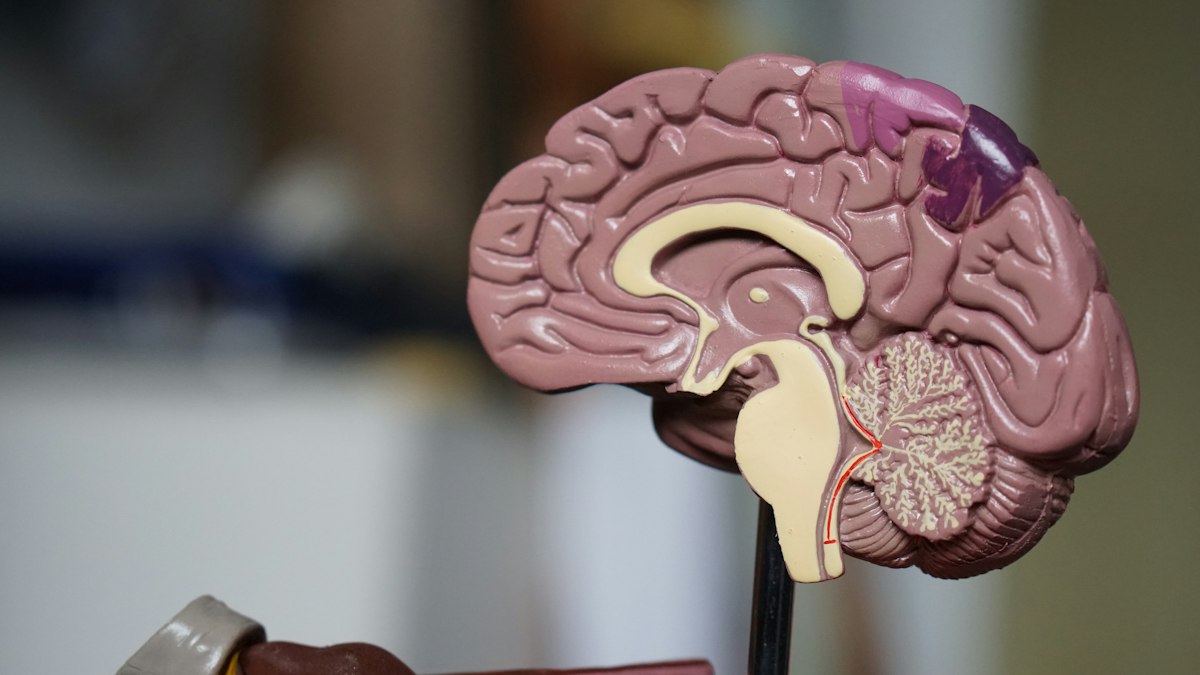
Sleep is when your brain consolidates memories. During deep sleep, the hippocampus — your brain's memory hub — replays the day's experiences and transfers them to long-term storage. During REM sleep, emotional memories are processed and integrated. When you cut sleep short, this process is interrupted, and what you learned that day is poorly retained.
Research published in 2024 found that chronic sleep deprivation specifically impairs hippocampal ripples — the neural oscillations that support memory formation — weakening their efficacy and causing lasting damage to memory function. Perhaps most sobering: the research notes that the effects of chronic sleep deprivation cannot be fully restored, even with subsequent adequate sleep.
Attention and Reaction Time Plummet
After 17–19 hours without sleep, cognitive performance equivalent to a blood alcohol level of 0.05% is observed in research. After 24 hours awake, performance matches 0.10% blood alcohol — legally drunk in most countries. Yet many people drive, operate machinery, or make critical decisions in this state routinely.
Recent 2025 research confirms that sleep deprivation produces reduced cognitive flexibility, prolonged reaction times, and impaired task-switching — all measurable in the brain using auditory response testing. These deficits build cumulatively over days of restricted sleep.
Emotional Regulation Breaks Down
The amygdala — the brain's emotional alarm system — becomes significantly more reactive when sleep deprived. Simultaneously, the prefrontal cortex, which modulates emotional responses and governs rational decision-making, loses connectivity with the amygdala. The result: heightened emotional reactivity, reduced impulse control, increased anxiety, and a disproportionate response to minor stressors.
This is not just feeling grumpy. It is a measurable neurological change that affects relationships, professional decisions, and mental health in meaningful ways.
Dementia Risk Increases
During sleep, the brain's glymphatic system activates — essentially a waste-clearance system that flushes out metabolic byproducts including beta-amyloid, a protein that accumulates in the brains of people with Alzheimer's disease. This clearance happens primarily during deep sleep stages. Chronic sleep deprivation reduces glymphatic activity, allowing amyloid and tau proteins to accumulate at accelerated rates.
A 2024 study found that sleep deprivation in patients with mild cognitive impairment correlates with hippocampal atrophy and reduced total brain volume — physical brain shrinkage measurable on MRI. Long-term sleep deprivation is now considered an independent risk factor for dementia development.
What Happens to Your Heart
Blood Pressure Rises
Under normal circumstances, blood pressure drops by 10–20% during sleep — a process called nocturnal dipping that gives your cardiovascular system essential recovery time. When sleep is insufficient or fragmented, this dip does not occur properly, leaving blood pressure chronically elevated. Over months and years, this sustained elevation damages arterial walls and significantly increases heart attack and stroke risk.
Cardiovascular Disease Risk Climbs
Research links sleeping fewer than six hours per night to a significantly elevated risk of coronary artery disease, heart failure, and stroke. The mechanism involves multiple pathways: elevated cortisol from stress-axis activation, increased inflammatory markers, sympathetic nervous system overactivation, and disrupted lipid metabolism. People who sleep less than five hours per night have roughly double the risk of cardiovascular events compared to those who sleep seven to eight hours.
What Happens to Your Metabolism and Weight
Hunger Hormones Go Haywire
Sleep deprivation produces a reliable and well-documented hormonal storm: ghrelin (the hunger hormone) increases significantly, while leptin (the satiety hormone) decreases. The net effect is increased hunger, reduced feelings of fullness after eating, and a particular increase in cravings for high-calorie, carbohydrate-rich foods — the foods most likely to promote weight gain.
Studies show that sleep-deprived individuals consume an average of 300–550 additional calories per day compared to well-rested individuals — even when activity levels are the same. Over weeks and months, this caloric surplus accumulates into meaningful weight gain that most people struggle to understand the cause of.
Insulin Sensitivity Drops
Even a single week of sleeping five hours per night produces measurable reductions in insulin sensitivity — the body's ability to respond properly to insulin and regulate blood sugar. Chronic sleep deprivation is associated with significantly elevated risk of developing type 2 diabetes, independent of other lifestyle factors. The metabolic consequences of poor sleep and poor diet compound each other dramatically.
Fat Storage Increases
Elevated cortisol from sleep deprivation actively promotes visceral fat storage — the metabolically dangerous fat that accumulates around your internal organs and drives chronic disease. This creates a particularly vicious cycle: poor sleep promotes fat gain, which further disrupts sleep architecture, which promotes more fat gain.

What Happens to Your Immune System
Vaccine Response Weakens
In a striking demonstration of sleep's importance for immunity, studies have shown that people who sleep fewer than six hours in the days following a vaccine produce significantly fewer antibodies than those who sleep seven or more hours — sometimes less than half as many. If you are sleep-deprived when vaccinated, you are getting substantially less protection from the vaccine.
Infection Risk Rises
Studies using rhinovirus (common cold) infection show that people sleeping fewer than six hours are over four times more likely to develop a cold after exposure compared to those sleeping seven hours or more. Sleep is when your immune system produces and deploys cytokines — proteins that coordinate immune response. Without adequate sleep, this system operates at reduced capacity.
Cancer Risk May Increase
The World Health Organisation classifies night shift work — which disrupts sleep-wake cycles — as a probable carcinogen. The mechanisms are multiple: disrupted melatonin production (melatonin has antioxidant and tumour-suppressive properties), immune suppression, and chronic inflammation all contribute to elevated cancer risk in chronically sleep-deprived populations.
What Happens to Your Mental Health
Depression and Anxiety Are Amplified
The relationship between sleep and mental health is bidirectional — depression disrupts sleep, and disrupted sleep worsens depression. But research increasingly suggests that poor sleep is not just a symptom of depression; it is a causal contributor. Treating insomnia — even in people without a diagnosed mood disorder — produces measurable reductions in depressive and anxiety symptoms.
REM sleep in particular appears critical for emotional regulation. During REM sleep, the brain processes emotional memories in a neurochemical environment with reduced noradrenaline (a stress-related neurotransmitter), allowing emotional experiences to be reprocessed without the full intensity of their original arousal. When REM sleep is disrupted, this processing fails, and emotional memories retain their raw intensity — contributing to anxiety, PTSD symptoms, and emotional dysregulation.

What Happens to Your Physical Performance
Athletes who sleep fewer than eight hours are significantly more likely to sustain injuries than those who sleep eight or more. Reaction time, accuracy, speed, and endurance all decline with sleep restriction. Growth hormone — critical for muscle repair and tissue regeneration — is released predominantly during slow-wave deep sleep. Consistently cutting sleep short means consistently undermining your body's ability to recover from physical exertion.
Can You "Catch Up" on Lost Sleep?
This is one of the most common questions in sleep science, and the answer is nuanced. Short-term sleep debt — losing a few hours over a couple of nights — can be partially recovered with extended sleep over subsequent days. Mood, alertness, and some cognitive functions do improve with recovery sleep.
However, the evidence on full recovery is less reassuring for chronic sleep deprivation. Research shows that cognitive deficits from chronic sleep restriction do not fully resolve even after three nights of recovery sleep. And the 2025 research cited above suggests that some neuronal damage from habitual sleep deprivation may be irreversible. Weekend "sleep banking" does not undo the week's damage — it only partially compensates for it.
The Bottom Line
Sleep is not a lifestyle luxury you can strategically reduce to create more productive hours. It is a biological necessity as fundamental as food and water — and the consequences of chronically shortchanging it are systemic, measurable, and in some cases permanent.
The seven to nine hour target is not arbitrary. It reflects decades of research showing that this is the range within which the brain consolidates memory, the immune system operates at full capacity, the cardiovascular system recovers, and the hormonal systems that regulate appetite and stress function normally.
If your schedule currently does not permit seven hours of sleep, that is not a sleep problem — it is a priority problem. And the evidence makes the case for changing it about as clearly as science can.