Here's a wild stat: only about 5% of Americans hit the recommended daily fiber intake. That's not a typo. Most people are walking around getting maybe half of what they actually need — and they wonder why digestion feels off, energy crashes hit hard, or weight loss has stalled.
Fiber doesn't get the spotlight that protein or carbs do. It's quiet, unsexy, and not exactly Instagram-worthy. But ask any gastroenterologist what single thing they'd want patients to fix in their diet, and most will say the same thing: eat more fiber.
The good news? Fixing it doesn't require expensive supplements or weird ingredients. The foods on this list are probably already at your local grocery store. Many are cheap. Most are versatile enough to fit into meals you already make.
Let's get into the 15 best high-fiber foods that improve digestion and gut health — plus exactly how much fiber each one packs, how to eat them, and what to watch out for.
Quick note: If you have IBS, IBD, or another digestive condition, talk to your doctor before drastically increasing fiber. Some people do better with soluble fiber and less with insoluble — it depends on the situation.
How Much Fiber Do You Actually Need?
The Academy of Nutrition and Dietetics recommends:
- Women: 25 grams per day
- Men: 38 grams per day
- Older adults (51+): Slightly less — about 21g for women, 30g for men
The average American eats only 16 grams a day. That's a huge gap, and it shows up in digestive issues, weight struggles, and even higher disease risk over time.
Soluble vs Insoluble: What's the Difference?
Most plant foods have both types of fiber, but the ratio varies. Understanding the basics helps you eat the right balance:
| Type | What It Does | Best Sources |
|---|---|---|
| Soluble | Forms a gel in water, lowers cholesterol, stabilizes blood sugar, feeds gut bacteria | Oats, beans, apples, chia seeds, citrus fruits |
| Insoluble | Adds bulk to stool, prevents constipation, supports regular bowel movements | Whole grains, nuts, leafy greens, cauliflower |
The 15 Best High-Fiber Foods for Better Digestion
1. Chia Seeds — 10g per 1 oz (28g)
Chia seeds are tiny powerhouses. Just two tablespoons gives you about a third of your daily fiber. They expand in liquid and form a gel, which is great for digestion and helps you feel full longer.
How to use: Mix 2 tbsp into yogurt overnight to make chia pudding. Add to smoothies. Sprinkle on salads or oatmeal.
Pro tip: Drink water with chia seeds. They absorb up to 12 times their weight in liquid, and dry chia can clump in your throat (yes, really).
2. Lentils — 15g per cooked cup
Lentils are one of the most fiber-rich foods on Earth — and they're cheap, fast-cooking, and fill you up. One cup hits more than half the average daily intake.
They're loaded with soluble fiber that feeds beneficial gut bacteria. Regular lentil eaters tend to have better cholesterol levels and steadier blood sugar.
How to use: Soups, curries, salads, or as a meat substitute in pasta sauce. Red lentils cook in 15 minutes — faster than rice.
3. Black Beans — 15g per cooked cup
Beans are the unsung heroes of fiber. Black beans, kidney beans, pinto beans, chickpeas — all of them clock in around 12-15g of fiber per cup.
If you can only add one new food to your week, beans should be it. They feed your gut bacteria like nothing else can.
How to use: Tacos, burritos, salads, or just heated up with a little salt and olive oil as a side.
Gas worry? Soak dried beans before cooking, or rinse canned beans thoroughly. Your gut also adjusts after 2-3 weeks of regular consumption.
4. Avocado — 10g per medium fruit
Most people think of avocado as a "healthy fat" food and forget about the fiber. One medium avocado has more fiber than three slices of whole-wheat bread.
How to use: Toast, salads, smoothies (yes, smoothies — they make it ultra-creamy), or just spooned out of the skin with salt and lime.
5. Raspberries — 8g per cup
Among fruits, berries are king for fiber. Raspberries lead the pack with 8 grams per cup — more than most people get from a whole day's worth of fruit.
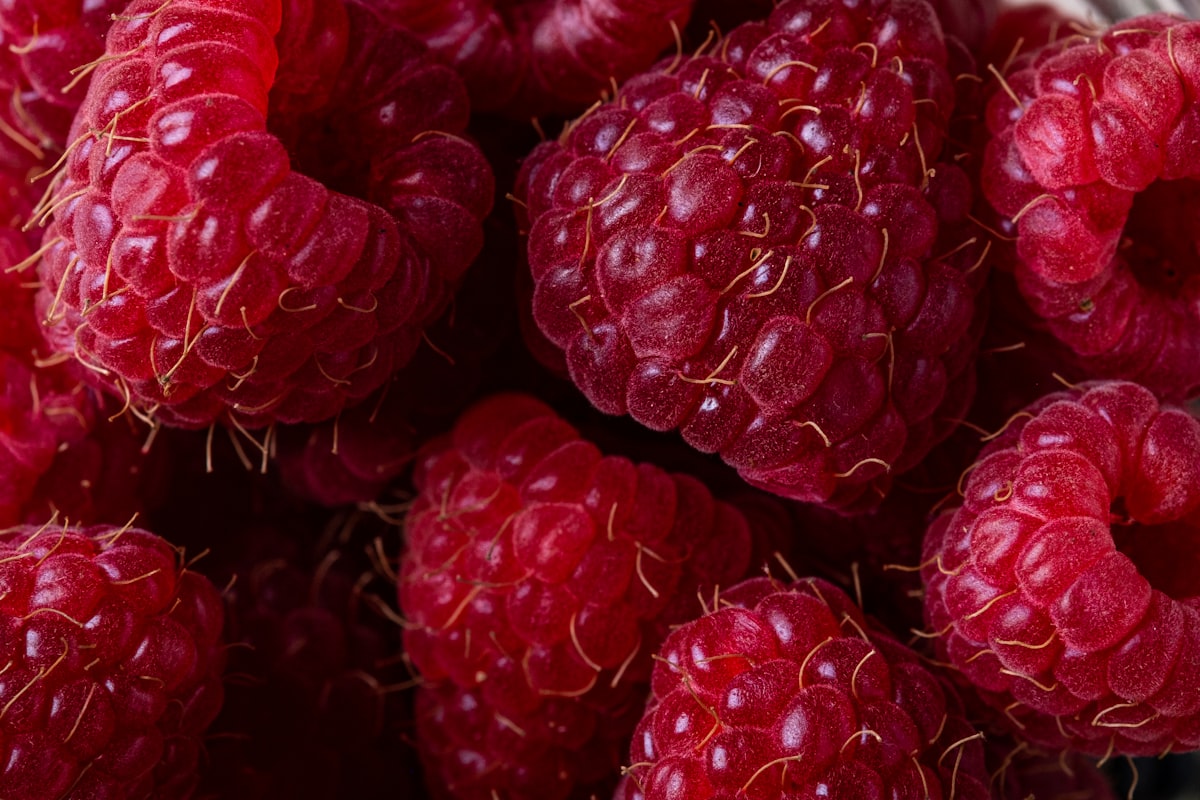
How to use: Toss them on yogurt, oatmeal, or salads. Frozen ones work great in smoothies.
6. Oats — 4g per ½ cup dry
Oats contain a special soluble fiber called beta-glucan, which has been shown in studies to lower LDL cholesterol when eaten daily. It also forms that gel-like texture that slows digestion and keeps you full all morning.
How to use: Overnight oats (mix oats with milk or yogurt the night before, top with fruit in the morning). Hot oatmeal with cinnamon and berries. Even in baking, oats add fiber to muffins or cookies.
Skip the instant flavored packets: They're full of sugar. Use plain rolled oats.
7. Broccoli — 5g per cooked cup
Broccoli isn't just a vitamin powerhouse — it's also high in fiber, with a healthy mix of soluble and insoluble types. The fiber feeds beneficial gut bacteria while supporting regular bowel movements.
How to use: Roasted with olive oil at 425°F until the edges crisp up. Stir-fried with garlic. Steamed and tossed with lemon and salt.
8. Brussels Sprouts — 4g per cooked cup
Roasted Brussels sprouts have converted more haters than any other vegetable. The trick is to cut them in half, toss in oil, and roast at high heat until they're charred and crispy.
They contain sulfur compounds that may help kill off harmful gut bacteria while feeding the good ones.
9. Sweet Potatoes — 4g per medium
Sweet potatoes are loaded with both fiber and prebiotics — compounds that feed your beneficial gut bacteria. Plus they're packed with vitamin A.
How to use: Baked whole with cinnamon. Cubed and roasted. Mashed as a side dish. The skin has most of the fiber — leave it on.
10. Almonds — 4g per 1 oz
A small handful of almonds gives you protein, healthy fat, and fiber all at once. They're one of the most filling snacks you can grab.
How to use: Plain as a snack, sprinkled on salads, or as almond butter on toast or fruit.
11. Apples — 4g per medium apple
The old "an apple a day" thing has some truth. Apples are rich in pectin, a soluble fiber that's especially good for gut health. It also helps lower cholesterol.
How to use: Eat them whole — the skin has half the fiber. Sliced with peanut butter, baked with cinnamon, or chopped into salads.
12. Whole Grain Bread — 6g per 2 slices
Real whole grain bread (not "wheat" bread, which is often just colored white bread) is one of the easiest fiber upgrades you can make. Look for "100% whole grain" or "whole wheat" as the first ingredient.
Even better: sourdough, sprouted grain breads like Ezekiel, or rye bread.
13. Chickpeas (Garbanzo Beans) — 12g per cooked cup
Chickpeas are versatile, cheap, and packed with fiber and plant protein. They're the base of hummus, but they're great roasted as a crunchy snack, too.
How to use: Roast them with olive oil and spices at 400°F for 30 minutes for a crunchy snack. Add to salads, curries, or grain bowls.
14. Edamame — 8g per cooked cup
Young soybeans, usually served in their pods. They're high in fiber and protein and make a perfect snack.
How to use: Buy frozen edamame, boil for 5 minutes, sprinkle with sea salt. Or shell them and toss into salads, stir-fries, or grain bowls.
15. Flaxseeds — 3g per tablespoon
Flaxseeds are tiny but mighty. They're rich in soluble fiber and omega-3 fatty acids. They also contain lignans, plant compounds with antioxidant properties.
How to use: Grind them first (your body can't break down whole flaxseeds). Add to smoothies, oatmeal, yogurt, or baked goods.
Storage tip: Ground flax goes rancid fast. Keep it in the fridge or freezer.
Quick Reference Table: Fiber Content at a Glance
| Food | Serving | Fiber (g) |
|---|---|---|
| Chia seeds | 1 oz (2 tbsp) | 10g |
| Lentils, cooked | 1 cup | 15g |
| Black beans, cooked | 1 cup | 15g |
| Avocado | 1 medium | 10g |
| Raspberries | 1 cup | 8g |
| Oats, dry | ½ cup | 4g |
| Broccoli, cooked | 1 cup | 5g |
| Brussels sprouts, cooked | 1 cup | 4g |
| Sweet potato | 1 medium | 4g |
| Almonds | 1 oz | 4g |
| Apple, with skin | 1 medium | 4g |
| Whole grain bread | 2 slices | 6g |
| Chickpeas, cooked | 1 cup | 12g |
| Edamame, cooked | 1 cup | 8g |
| Flaxseeds, ground | 1 tbsp | 3g |
The Gut-Fiber Connection: Why It Matters
Your gut contains trillions of bacteria — collectively called the microbiome. These bacteria are not passive passengers. They affect your immunity, mood, weight, skin, and even brain function.
Here's what fiber actually does down there:
- Feeds beneficial bacteria. Soluble fiber is the favorite food of "good" gut bacteria. When you eat it, those bacteria multiply and crowd out harmful microbes.
- Produces short-chain fatty acids. Gut bacteria ferment fiber and produce compounds like butyrate, which protects the colon lining and reduces inflammation.
- Strengthens the gut barrier. A fiber-rich diet helps keep the lining of your intestines intact, which is critical for preventing "leaky gut" issues.
- Improves bowel regularity. Insoluble fiber adds bulk and water to stool, preventing constipation.
How to Add Fiber Without the Bloating
One mistake people make is going from 12 grams of fiber a day to 35 grams overnight. Result: gas, bloating, stomach cramps, and a quick "fiber is the worst" conclusion.
Here's the smart way:
- Increase gradually. Add 3-5 grams more per day for a week, then add more.
- Drink plenty of water. Fiber needs water to do its job. Without it, you can actually get more constipated.
- Spread it out. Don't have all your fiber at one meal. Aim for some at every meal and snack.
- Chew thoroughly. Digestion starts in the mouth. Rushing through high-fiber meals makes them harder to break down.
- Cook some of your veggies. Raw is great, but lightly cooked vegetables are easier to digest if you're new to high-fiber eating.
Sample High-Fiber Day (35g total)
- Breakfast: Overnight oats (½ cup oats = 4g) with 1 tbsp chia seeds (5g), raspberries (4g), and 1 tbsp ground flax (3g) — 16g
- Snack: Apple with skin (4g) and 1 oz almonds (4g) — 8g
- Lunch: Lentil soup with veggies and whole grain bread — 14g
- Snack: Roasted chickpeas — 6g
- Dinner: Grilled chicken, roasted Brussels sprouts (4g), and sweet potato (4g) — 8g
That's around 50g, which is on the higher side but totally doable.
Frequently Asked Questions
What are the signs I'm not eating enough fiber?
The most obvious sign is constipation — fewer than three bowel movements a week. Other signs include feeling hungry shortly after meals, blood sugar swings, frequent bloating, weight gain despite calorie counting, and high cholesterol.
Can I get all my fiber from supplements?
Supplements like psyllium husk or Metamucil can fill gaps, especially if you're recovering from surgery or dealing with constipation. But whole foods are always better because they come with vitamins, minerals, antioxidants, and a wider variety of fiber types.
Does cooking destroy fiber?
No. Cooking might change the texture and break down some plant cell walls, but the fiber content stays mostly the same. You may actually absorb nutrients better from lightly cooked vegetables.
Is too much fiber bad?
Yes, in extreme amounts. Eating 50-70g daily without enough water can cause gas, bloating, and even constipation. It can also interfere with absorption of minerals like iron, zinc, and calcium. Stick to the recommended range and increase gradually.
Are oat bran muffins from coffee shops actually high in fiber?
Usually no. Most commercial muffins are made with mostly white flour and a small amount of bran for flavor — plus a ton of sugar. They're often more like dessert than a fiber source.
Does fiber really help with weight loss?
Yes, in two ways. First, it makes you feel full longer so you eat less overall. Second, it slows the absorption of sugar from your food, preventing the energy crashes that often trigger cravings. People who eat more fiber generally maintain healthier body weights over time.
Should I worry about anti-nutrients in beans and grains?
For most people, no. Anti-nutrients like phytates and lectins are real, but they're significantly reduced by soaking, cooking, and sprouting. The benefits of these foods far outweigh any minor mineral absorption issues.
The Bottom Line
Most of us are walking around in mild fiber deficiency, and our digestion, energy, and weight are paying the price. The fix isn't complicated. It's not even expensive. Add a few foods from this list to meals you already eat, drink more water, and give your body two to three weeks to adjust.
Start tomorrow. Throw a handful of berries on your breakfast. Swap white bread for whole grain at lunch. Add a can of black beans to your dinner. None of it has to be dramatic — small daily wins build up faster than you'd think.
Pay attention to how you feel after a couple of weeks. Most people notice they're less bloated, more regular, and oddly more satisfied after meals. That's your gut doing its job — finally getting the fuel it needed all along.