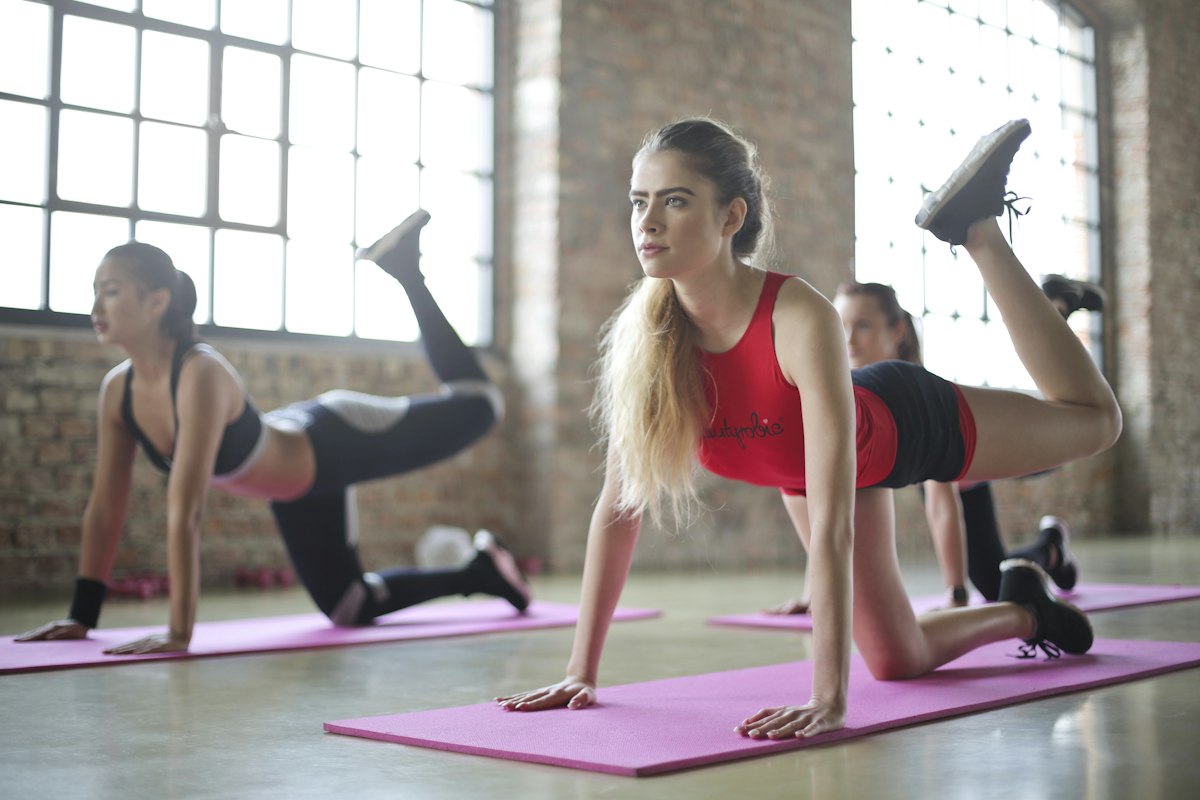
For decades, the standard advice was to sit down, touch your toes, hold each stretch for a minute, and call that a "warm-up." Turns out, that's exactly the wrong way to do it. Research from the past 15 years has flipped the script on stretching entirely — and most people are still doing it the old way.
Here's what we know now: holding static stretches before a workout can actually weaken your muscles temporarily, reduce your power output, and increase your risk of injury. That same kind of stretching done after your workout, though, is one of the best things you can do for recovery and flexibility.
The fix is simple: use the right type of stretching at the right time. Dynamic stretches before. Static stretches after. Both take a few minutes, both make a real difference in how you feel and perform.
This guide breaks down everything: which stretches to do, when, why each one matters, and the exact routines you can copy. Two stretches into this and your workouts (and recovery) will already feel different.
Quick note: If you have recent injuries, joint problems, or significant pain, talk to a physical therapist about your specific situation. Stretching is generally safe, but it can aggravate certain conditions if done wrong.
Dynamic vs. Static Stretching: The Critical Difference
Before getting into the routines, you need to know which kind of stretching to use when.
Dynamic Stretching
Dynamic stretches are movement-based. You move your joints through their full range of motion repeatedly, without holding positions. Examples: arm circles, leg swings, walking lunges, hip openers.
Best for: Before workouts. Increases blood flow, raises heart rate, activates the nervous system, and prepares muscles for intense work.
Static Stretching
Static stretches involve holding a position for 15-60 seconds. Examples: forward fold, quadriceps stretch, hamstring stretch.
Best for: After workouts. Helps muscles return to resting length, improves flexibility over time, reduces post-workout stiffness.
Why the Timing Matters
A 2019 research study found that holding static stretches before exercise can reduce maximum strength and power output by up to 8%. Long static holds essentially "turn off" the muscle's protective tension just before you ask it to perform.
Dynamic stretches do the opposite. A meta-analysis of 32 studies showed that active warm-ups including dynamic stretches improved athletic performance by 79% across various criteria. They warm up the muscles literally — increasing temperature, blood flow, and elasticity.
The simple rule: move first, hold later.
The Pre-Workout Routine: 5-Minute Dynamic Stretches
Do these before every workout. Total time: about 5 minutes. They wake up the body, increase mobility, and significantly reduce injury risk.
| # | Stretch | Reps / Time | Target |
|---|---|---|---|
| 1 | Arm Circles | 30 sec | Shoulders |
| 2 | Leg Swings (front-back) | 10 each side | Hips, hamstrings |
| 3 | Walking Lunges | 10 total | Hip flexors, quads |
| 4 | High Knees | 30 sec | Hips, core, cardio |
| 5 | Hip Circles | 10 each direction | Hips, glutes |
| 6 | Inchworms | 6 reps | Hamstrings, core, shoulders |
| 7 | Torso Twists | 10 each side | Spine, obliques |
| 8 | Bodyweight Squats | 10 reps | Legs, glutes |
How to Do Each One
1. Arm Circles (30 seconds)
Stand tall, arms extended out to the sides at shoulder height. Make small circles forward for 15 seconds, then backward for 15 seconds. Gradually increase the size of the circles. This wakes up your shoulders, which most people have stiff from sitting.
2. Leg Swings (Front-to-Back)
Stand next to a wall or chair for balance. Hold on with one hand. Swing your outside leg forward and back like a pendulum, 10 times. Keep the motion controlled — don't fling. Switch legs.
This opens up the hips and hamstrings without any static tension. Essential before any lower-body workout.
3. Walking Lunges
Step forward into a lunge. Lower until both knees are at 90 degrees. Push up and step forward into the next lunge. Continue for 10 total steps (5 per leg).
Walking lunges activate your hip flexors, quads, and glutes — all major movers for any lower-body workout.
4. High Knees (30 seconds)
Run in place, lifting your knees up toward your chest. Pump your arms naturally. Don't worry about speed at first — focus on getting the knees up. This raises your heart rate quickly and warms up the whole lower body.
5. Hip Circles
Stand with feet shoulder-width apart. Hands on hips. Make large circles with your hips — like you're hula hooping. 10 circles in one direction, 10 in the other.
This loosens up the hip joint, which is the most underused joint in modern life.
6. Inchworms (6 reps)
Stand tall. Bend at the waist, place your hands on the floor in front of you. Walk your hands forward into a plank position. Hold for a second. Walk your hands back to your feet. Stand up. Repeat.
Inchworms hit your hamstrings, calves, core, and shoulders — basically a mini full-body warm-up in a single move.
7. Torso Twists
Stand with feet hip-width apart. Arms bent at elbows, held at chest height. Rotate your torso to the right, then to the left, in a controlled motion. 10 twists each side.
This wakes up your spine and obliques, both critical for protecting your back during workouts.
8. Bodyweight Squats (10 reps)
Finish with 10 slow, controlled bodyweight squats. By the time you're done with these, your heart rate is up, your major joints are mobile, and your body is ready for the real workout.
The Post-Workout Routine: 5-Minute Static Stretches
Once your workout is done, your muscles are warm and pliable — the perfect time for static stretching. Holding each stretch 30 seconds is the sweet spot for most people. This routine improves flexibility over time and reduces next-day stiffness.
| # | Stretch | Duration | Target |
|---|---|---|---|
| 1 | Standing Forward Fold | 30 sec | Hamstrings, back |
| 2 | Quad Stretch | 30 sec / side | Quads, hip flexors |
| 3 | Pigeon Pose | 45 sec / side | Glutes, hips |
| 4 | Child's Pose | 45 sec | Lower back, lats |
| 5 | Cat-Cow Stretch | 30 sec | Spine |
| 6 | Chest Opener | 30 sec | Chest, shoulders |
| 7 | Cross-Body Shoulder | 30 sec / side | Shoulders, upper back |
| 8 | Calf Stretch | 30 sec / side | Calves, achilles |
How to Do Each Static Stretch
1. Standing Forward Fold (30 sec)
Stand with feet hip-width apart. Hinge at the hips and let your upper body hang down toward the floor. Let your head and arms be heavy. Bend your knees slightly if hamstrings are tight.
Feel it: A gentle pull in the hamstrings and lower back.
2. Quad Stretch (30 sec each side)
Stand on one leg. Bend the other knee and grab your foot behind you, pulling the heel toward your butt. Keep knees close together. Hold something for balance if needed.
Feel it: A stretch along the front of your thigh.
3. Pigeon Pose (45 sec each side)
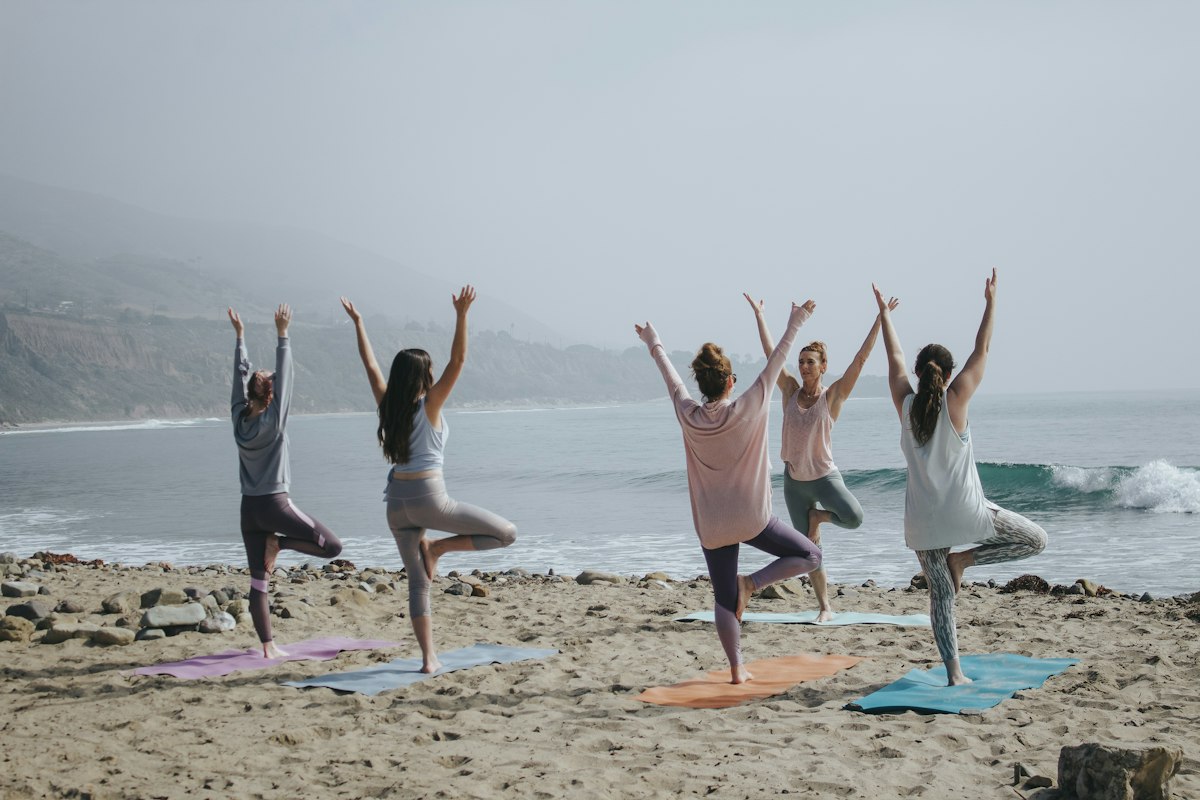
From a high plank, bring your right knee forward toward your right wrist. Your shin should be roughly parallel to the front edge of your mat. Extend your left leg straight back. Lower your hips toward the floor. Lean forward over your front leg for a deeper stretch.
Feel it: A deep stretch in your right glute and outer hip. This one's a game-changer for desk-bound people.
4. Child's Pose (45 sec)
Kneel on the floor. Sit back on your heels and fold your torso forward over your thighs. Extend your arms forward on the floor or rest them at your sides. Let your forehead touch the ground.
Feel it: A relaxing stretch in your lower back, hips, and shoulders.
5. Cat-Cow Stretch (30 sec)
Start on hands and knees. As you inhale, drop your belly and lift your head and tailbone (Cow pose). As you exhale, round your spine and tuck your chin (Cat pose). Alternate slowly for 30 seconds.
Feel it: Your entire spine moving through its full range of motion. Excellent for spine health.
6. Chest Opener (30 sec)
Stand tall. Clasp your hands behind your back. Straighten your arms and gently lift them away from your body. Squeeze your shoulder blades together. Lift your chest.
Feel it: An opening across the front of your chest and shoulders.
7. Cross-Body Shoulder Stretch (30 sec each side)
Stand or sit tall. Bring your right arm across your chest. Use your left hand to gently pull the right arm in toward your body. Hold. Switch sides.
Feel it: A stretch through the back of your right shoulder.
8. Calf Stretch (30 sec each side)
Stand facing a wall. Place your hands on the wall at chest height. Step your right foot back about 3 feet. Keep your right heel pressed firmly into the floor. Bend your front knee, leaning forward.
Feel it: A stretch in the back of your right calf.
How to Use These Routines
Before Every Workout
Do the dynamic routine. 5 minutes max. If you're short on time, prioritize the moves that target the muscles you're about to work hard.
- Leg day? Hip circles, leg swings, walking lunges, bodyweight squats.
- Upper body day? Arm circles, inchworms, torso twists.
- Cardio? All of them — start slow and build up.
After Every Workout
Do the static routine. Again, 5 minutes is enough for most people. Prioritize the muscles you just trained.
- After leg day: Quad stretch, pigeon, calf stretch, forward fold.
- After upper body: Chest opener, shoulder stretch, child's pose.
- After cardio: Forward fold, calf stretch, pigeon.
Common Stretching Mistakes
1. Bouncing in Static Stretches
"Ballistic stretching" (bouncing into a stretch) is mostly outdated and increases injury risk. Hold the stretch still or use controlled dynamic movement — don't bounce.
2. Stretching Cold Muscles Aggressively
Trying to do deep static stretches when your muscles are cold (right after waking up, before any movement) is asking for a pull. Always warm up first, even briefly.
3. Holding Pre-Workout Static Stretches Too Long
If you do use static stretches before a workout, keep them under 30 seconds each. Beyond that, you start losing power and strength temporarily.
4. Skipping the Cool-Down
This is where most people drop the ball. After a hard workout, you're tired and want to be done. But 5 minutes of stretching dramatically reduces next-day soreness and improves flexibility over time.
5. Pushing Through Pain
Stretches should feel like mild tension or pull — not sharp pain. If something hurts, back off. Pain is your body telling you something's wrong.
6. Holding Your Breath
Breathe slowly and deeply during stretches. Holding your breath tenses your muscles and makes the stretch less effective.
7. Stretching Only When You Work Out
Tight muscles develop from daily life, not just workouts. Spend 5-10 minutes daily on basic mobility, especially if you sit at a desk most of the day.
The Benefits of Consistent Stretching
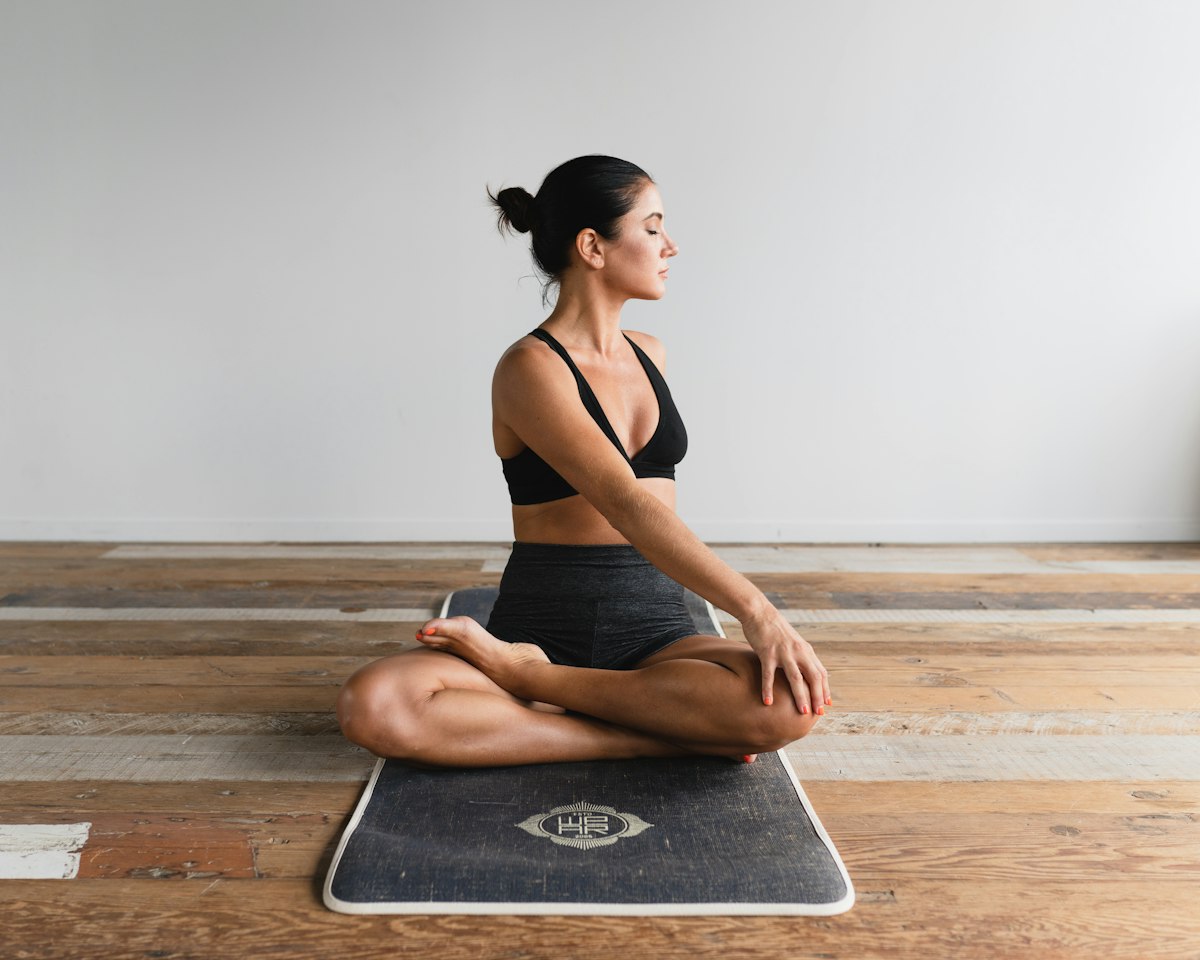
Consistent stretching (both before and after workouts) delivers some impressive long-term benefits:
- Better range of motion — easier to perform exercises with full form
- Lower injury risk — research shows up to a 35% reduction in injury rates with proper warm-up and cool-down
- Faster recovery — less DOMS (delayed onset muscle soreness)
- Improved posture — counteracts the tightness from sitting and computer work
- Better workout performance — warmed-up muscles produce more force
- Reduced chronic pain — especially in the lower back, hips, and shoulders
- Mental relaxation — the post-workout cool-down transitions your nervous system out of fight-or-flight mode
Special Routines for Specific Situations
Desk Workers (Daily Stretches)
If you sit 8+ hours a day, add these daily — not just around workouts:
- Hip flexor stretch (kneeling lunge) — 1 min each side
- Chest opener — 1 min
- Cat-cow — 1 min
- Neck stretches (ear to shoulder) — 30 sec each side
- Wrist circles and stretches — 1 min
Runners
Focus heavily on:
- Leg swings before
- Calf stretch and pigeon pose after
- Hip flexor stretches
- IT band rolling (foam roller) if available
Weight Lifters
Add:
- Shoulder dislocations with a band before pressing
- Deep squat hold to mobilize hips
- Thoracic spine twists for rotation movements
Office Yoga Routine (5 Minutes at Your Desk)
- Seated spinal twist (30 sec each side)
- Chest opener with hands clasped behind back (30 sec)
- Neck rolls (30 sec)
- Standing forward fold (30 sec)
- Wrist and finger stretches (30 sec)
Frequently Asked Questions
Should I stretch every day?
Yes. 5-10 minutes of stretching daily improves flexibility, posture, and reduces aches — especially important if you sit a lot.
How long does it take to see flexibility improvements?
You'll notice small changes within 2-3 weeks of consistent stretching. Significant improvements take 2-3 months of regular practice.
Is stretching enough to relieve back pain?
Often, yes — many cases of back pain come from tight hips and weak core muscles. Stretching plus light strengthening fixes most non-injury-related back pain.
Can I stretch too much?
Yes. Overstretching can destabilize joints, especially in already-flexible people. Aim for mild tension, not deep pain.
Is yoga the same as stretching?
Yoga includes stretching, but also adds strength, balance, and breath work. Both are valuable — and you can do basic stretching without doing full yoga.
Should I stretch when I'm sore?
Gentle stretching can actually help reduce soreness. But don't push hard. Light, controlled movement promotes blood flow and recovery.
Are foam rollers worth it?
Yes. They complement stretching by targeting fascia (connective tissue around muscles). 5-10 minutes of foam rolling after workouts can significantly speed up recovery.
Should kids stretch before sports?
Yes, but focus on dynamic movements — children's muscles are naturally flexible, so static stretching isn't as necessary. Active warm-ups are crucial.
Can stretching help with sleep?
Yes. Light evening stretching (especially child's pose, forward folds, and gentle twists) can lower stress hormones and prepare the body for sleep.
The Bottom Line
Stretching is the easiest, cheapest, most-skipped part of any workout. Five minutes before, five minutes after — that's all it takes to dramatically reduce injury risk, improve performance, and recover faster.
The rule is simple: move before, hold after. Dynamic stretches wake your body up and prepare it for action. Static stretches help your body wind down and recover.
Start with the two routines in this guide. Don't try to do every stretch every time — pick the ones that target the muscles you're working that day. Do them consistently for a month and you'll notice the difference. Your workouts will feel smoother, your recovery faster, and the chronic tightness you've been carrying for years will start to loosen up.
Most people skip stretching because they think it's optional. It isn't. It's the framework that makes everything else you do better. Five minutes — that's all your future, pain-free self is asking for.