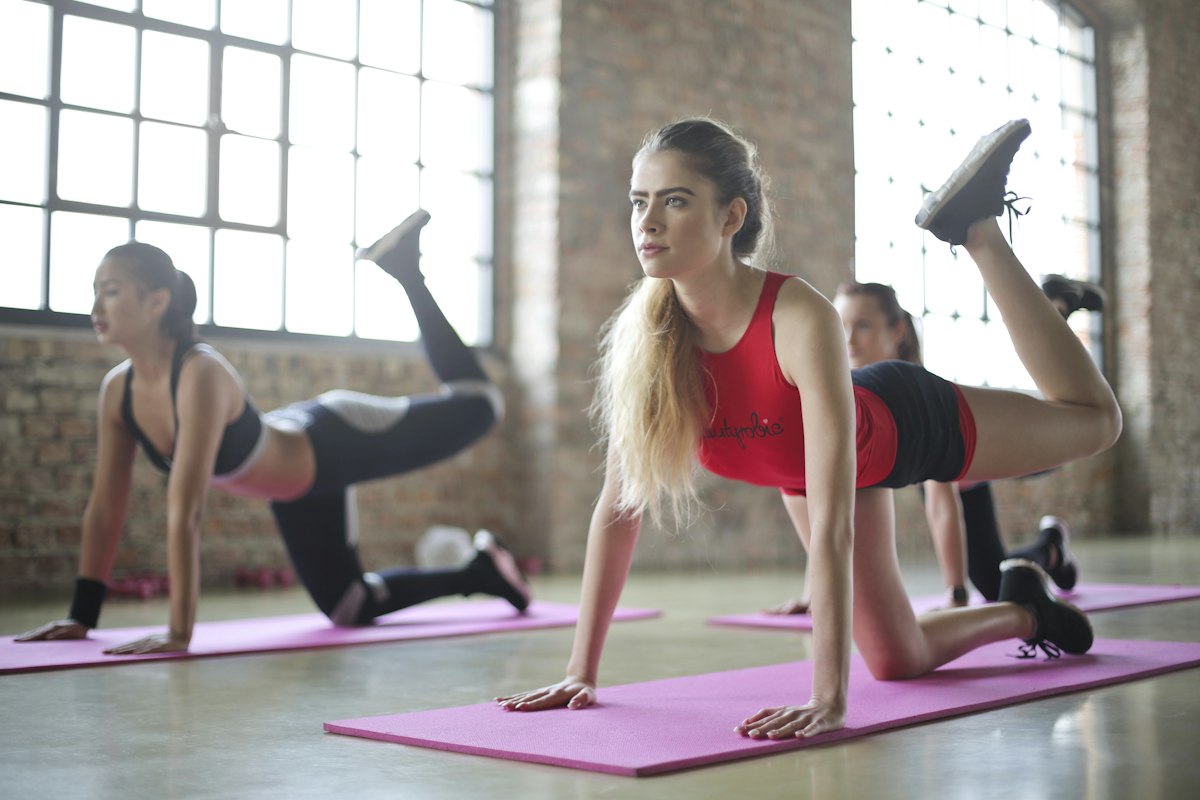
The honest truth about spot-reducing belly fat? You can't actually do it. No exercise burns fat only from your stomach — that's not how the human body works. Your body decides where to burn fat first, and it's mostly determined by genetics and hormones, not the specific moves you do.
But here's the part that is true: short, intense morning workouts genuinely do speed up overall fat loss. They wake up your metabolism, build muscle that burns calories all day, and — crucially — actually fit into a busy life. Seven minutes is the difference between doing something and doing nothing.
This 7-minute morning routine is built around HIIT principles (high-intensity interval training), which has been shown in research to burn more belly fat than longer steady-state cardio. The whole thing fits in your living room. No equipment, no gym, no excuses. Done consistently for 4-6 weeks, most people see real changes — not just on the scale, but in how their clothes fit.
Here's the workout, how to do it right, and what to expect.
Important: If you're new to exercise, recovering from injury, or have a heart condition, check with your doctor first. Modify any move that hurts. Discomfort is fine; sharp pain is not.
Why 7 Minutes Actually Works
You might wonder how a 7-minute workout can compete with a 45-minute gym session. Two reasons:
1. Intensity. Short workouts performed at maximum effort trigger something called EPOC — excess post-exercise oxygen consumption. Your body keeps burning calories for hours after you stop. Studies suggest this "afterburn" can add up to an extra 200+ calories burned over 24 hours.
2. Consistency. A 7-minute routine you actually do every day beats a 60-minute workout you skip 5 times a week. Over a year, daily 7 minutes equals 42+ hours of exercise — more than most "I'll go to the gym" plans actually deliver.
The American College of Sports Medicine recognizes short HIIT-style sessions as effective for cardiovascular health, fat loss, and muscle preservation when done consistently 3-5 times per week.
The 7-Minute Routine: Exercise Breakdown
Each move is performed for 40 seconds of work followed by 10 seconds of rest. Go through all 8 exercises once. Total time: 7 minutes (with a brief warm-up). Push as hard as you can during the work intervals — that intensity is what makes it work.
| # | Exercise | Time | Targets |
|---|---|---|---|
| 1 | Jumping Jacks | 40 sec | Full body, cardio |
| 2 | High Knees | 40 sec | Core, legs, cardio |
| 3 | Bodyweight Squats | 40 sec | Glutes, legs |
| 4 | Mountain Climbers | 40 sec | Core, shoulders, cardio |
| 5 | Standing Twists | 40 sec | Obliques, core |
| 6 | Plank Hold | 40 sec | Core, shoulders |
| 7 | Standing Knee-to-Elbow | 40 sec | Obliques, abs |
| 8 | Burpees (or step-back) | 40 sec | Full body, max burn |
Step-by-Step Walkthrough
Warm-Up (30 seconds — Don't Skip)
Walk in place, shake out your arms, do gentle shoulder rolls and hip circles. Get your heart rate up just a bit before jumping in. Cold muscles are how people pull things.
Exercise 1: Jumping Jacks (40 sec)
The classic. Stand with feet together, arms at sides. Jump feet apart while raising arms overhead. Jump back to start. Repeat fast.
Form tip: Land soft on the balls of your feet, knees slightly bent.
Low-impact swap: Step jacks — step one foot out at a time instead of jumping. Same arms.
Rest 10 seconds.
Exercise 2: High Knees (40 sec)
Run in place, driving your knees up toward your chest. Pump your arms. Land softly.
Form tip: Engage your core to lift the knees. The higher they go, the more your abs work.
Low-impact swap: March in place, lifting knees high but without the jumping.
Rest 10 seconds.
Exercise 3: Bodyweight Squats (40 sec)
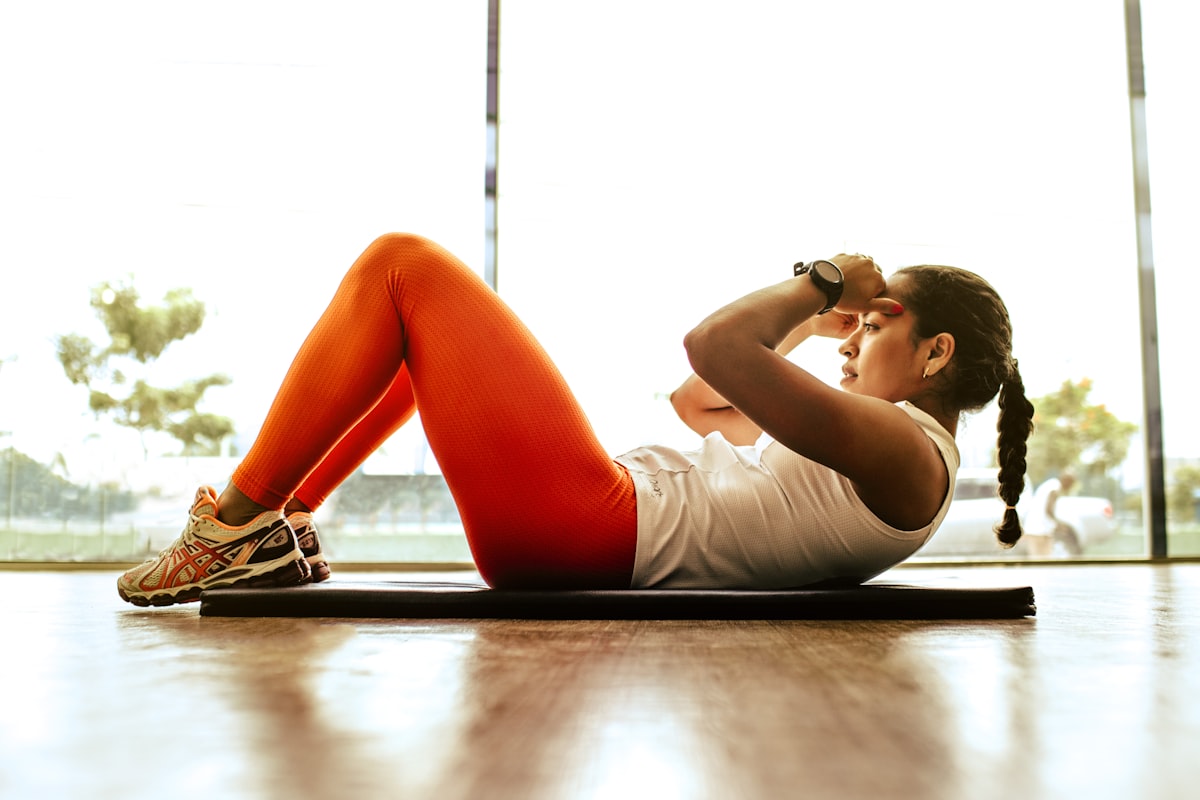
Stand with feet shoulder-width apart, toes slightly out. Sit back as if into an invisible chair until thighs are roughly parallel to the floor. Stand back up. Keep your chest up, knees tracking over toes.
Form tip: Most of your weight should be in your heels, not your toes.
Modification: Don't squat as deep. Even quarter-squats work the muscles.
Rest 10 seconds.
Exercise 4: Mountain Climbers (40 sec)
Get into a high plank position — hands directly under shoulders, body in a straight line. Drive one knee toward your chest, then quickly switch. Keep alternating fast.
Form tip: Don't let your hips bounce up and down. Keep your back flat.
Low-impact swap: Slow them down. Pace doesn't matter for beginners — form does.
Rest 10 seconds.
Exercise 5: Standing Twists (40 sec)
Stand with feet hip-width apart, arms bent at 90 degrees at chest height like you're holding an invisible ball. Twist your torso from side to side, rotating from your waist.
Form tip: The rotation should come from your core, not just your arms swinging around. Squeeze your obliques.
Rest 10 seconds.
Exercise 6: Plank Hold (40 sec)
From the high plank position (or forearms if wrists hurt), hold your body in a straight line from head to heels. Squeeze your glutes and abs. Breathe.
Form tip: Don't let your hips sag down or stick up. Imagine a flat board running from your shoulders to your feet.
Modification: Drop to your knees and hold from there.
Rest 10 seconds.
Exercise 7: Standing Knee-to-Elbow (40 sec)
Stand tall with hands behind your head, elbows wide. Bring your right elbow down and your left knee up, twisting to meet them. Switch sides. Continue alternating fast.
Form tip: Really squeeze your obliques at the top of each crunch.
Rest 10 seconds.
Exercise 8: Burpees (40 sec) — Final Push
Stand up. Drop down, place hands on floor, jump feet back into a plank. Jump feet back in. Stand up and jump (or just stand). Repeat.
Why this is the finisher: Burpees are widely considered the most calorie-burning exercise per minute. They hit every muscle group.
Low-impact swap: Step back instead of jumping back. Stand without jumping at the top.
How to Make It Actually Work (The Most Important Part)
1. Do It Right After Waking Up
The whole point of this is starting your day with a metabolic boost. The longer you wait, the easier it is to skip. Put on workout clothes the night before and do it before checking your phone, before coffee, before anything.
2. Push Hard During Work Intervals
HIIT only works if it's actually high intensity. By the end of each 40-second interval, you should be breathing hard. If you can chat through the workout, increase the pace or depth.
3. Don't Skip the Rest
Those 10-second rests are part of the design. They let your heart rate dip slightly so you can hit the next interval hard again. Don't reduce them.
4. Stay Consistent for At Least 4 Weeks
You won't see major changes in the first week. By weeks 3-4, most people notice their pants fitting differently and improved stamina. Real visible belly changes usually show up by weeks 6-8.
5. Pair It With Diet Changes
Workouts alone won't burn through a bad diet. Belly fat loss is roughly 70% nutrition, 30% exercise. Cut sugary drinks, reduce ultra-processed foods, and add more protein and vegetables. The workout amplifies those changes — it doesn't replace them.
What Belly Fat Actually Is (And Why It Matters)
There are two types of belly fat, and they're not equal:
Subcutaneous fat: The pinchable layer right under your skin. It's the visible "pouch" that bothers most people. Annoying but relatively harmless.
Visceral fat: The deeper fat surrounding your organs. You can't see or feel it, but it's the dangerous kind — linked to type 2 diabetes, heart disease, fatty liver, and certain cancers.
The good news: visceral fat responds to exercise faster than subcutaneous fat. Even if you can't see immediate changes in the mirror, you're likely losing the dangerous fat first. That's a win even before the "abs" show up.
What to Expect Week-by-Week
Week 1
You'll feel sore in places you forgot existed. Energy may feel mixed — some days great, some days drained. This is normal. Don't quit.
Week 2
The soreness eases. You'll start finishing the workout less out of breath. Mornings might feel sharper, with more energy that lasts.
Week 3-4
Pants start fitting looser even if the scale hasn't moved much. Muscle tone begins showing in arms and legs. Most people sleep better and crave junk food less.
Week 6-8
Visible changes in the mirror. Belly looks flatter. You can do the entire workout at near-max intensity without feeling like you're dying. This is when most people are sold for life.
Common Mistakes to Avoid
Going Too Hard Too Soon
Day 1 enthusiasm leads to day 4 burnout (or injury). Start at 70-80% effort the first week. Build up to max as your fitness improves.
Bad Form
Sloppy form for 40 seconds isn't better than good form for 30 seconds. Slow down if your form falls apart.
Not Eating Properly
This workout creates a calorie deficit that compounds over time. But if you skip meals or eat junk, you'll feel weak and won't recover well. Eat protein, vegetables, and complex carbs.
Doing Only This Workout
Seven minutes a day is great, but if you can add 30-minute walks, full strength training twice a week, or longer cardio sessions on weekends, you'll see faster results.
Expecting Spot Reduction
This workout burns total body fat. Where it burns from first is determined by your genes. Most people lose fat from the face and limbs before the belly.
Quitting Too Early
Real changes take 4-6 weeks minimum. People quit at week 2 because "nothing's happening" — meanwhile their internal metabolism is shifting in big ways they can't see yet.
Add-Ons to Boost Results
If you have extra time or want faster progress, add these:
- 10,000+ daily steps: One of the most underrated fat-loss tools. Easy on the joints, adds up quickly.
- 2 strength sessions per week: Even bodyweight exercises like push-ups, pull-ups, and lunges build muscle that burns more calories at rest.
- Quality sleep (7-9 hours): Poor sleep directly increases belly fat storage by raising cortisol levels.
- Daily protein target: Aim for 0.7-1g of protein per pound of body weight to preserve muscle while losing fat.
- Hydration: Often, what feels like hunger is actually mild dehydration. Drink water throughout the day.
Frequently Asked Questions
How many days a week should I do this workout?
5-6 days a week is ideal. Take 1-2 rest days to let your muscles recover and adapt. Daily seven minutes is fine if you're not doing other intense workouts.
Can I lose belly fat just doing this?
It helps, but diet matters more for fat loss. Pair the workout with eating fewer ultra-processed foods, more whole foods, and a modest calorie deficit.
Why am I not losing weight even though I'm doing this?
Most common reasons: eating back the calories you burned, not sleeping enough, not pushing hard enough during intervals, or measuring progress only by the scale (try photos, measurements, and how clothes fit instead).
Is morning the best time, or can I do it later?
Morning is ideal because it boosts your metabolism for the whole day. But the best time is whichever time you'll actually do it consistently. Evening is fine if mornings aren't realistic.
I'm a beginner — should I still try this?
Yes, with modifications. Use the low-impact swaps for each move. Start with 20-second intervals if 40 feels too much. Build up gradually.
Should I eat before or after the workout?
Either works. For a 7-minute workout, fasted (before eating) is fine and may slightly increase fat burning. If you feel weak, a small piece of fruit or a few sips of water before is plenty.
What about cardio like running?
Running and HIIT both burn calories. HIIT typically burns more in less time, but running is great for endurance. Best results come from doing both throughout the week.
Will this workout build muscle?
You'll build some muscular endurance and tone, especially as a beginner. For significant muscle growth, you'd want to add resistance training with progressive overload.
Can older adults do this workout?
Absolutely, with modifications. Skip the high-impact moves (use low-impact swaps), reduce intensity, and check with a doctor if you have heart or joint issues.
The Bottom Line
You don't need an hour at the gym, $200 sneakers, or fancy equipment to burn fat and get stronger. Seven minutes, performed with real intensity, every morning, will change your body more than most people expect — especially when combined with better food choices and consistent sleep.
Start tomorrow morning. Set your alarm 10 minutes earlier. Roll out of bed, drink a glass of water, and do the workout. By the time you're showering, you'll be more awake than coffee can ever make you.
Take a photo of yourself this week. Take another 6 weeks from now. You'll see the difference. More importantly, you'll feel the difference — in how clothes fit, how energetic you are, how confidently you move through the day.
Seven minutes is enough. The rest is just showing up.